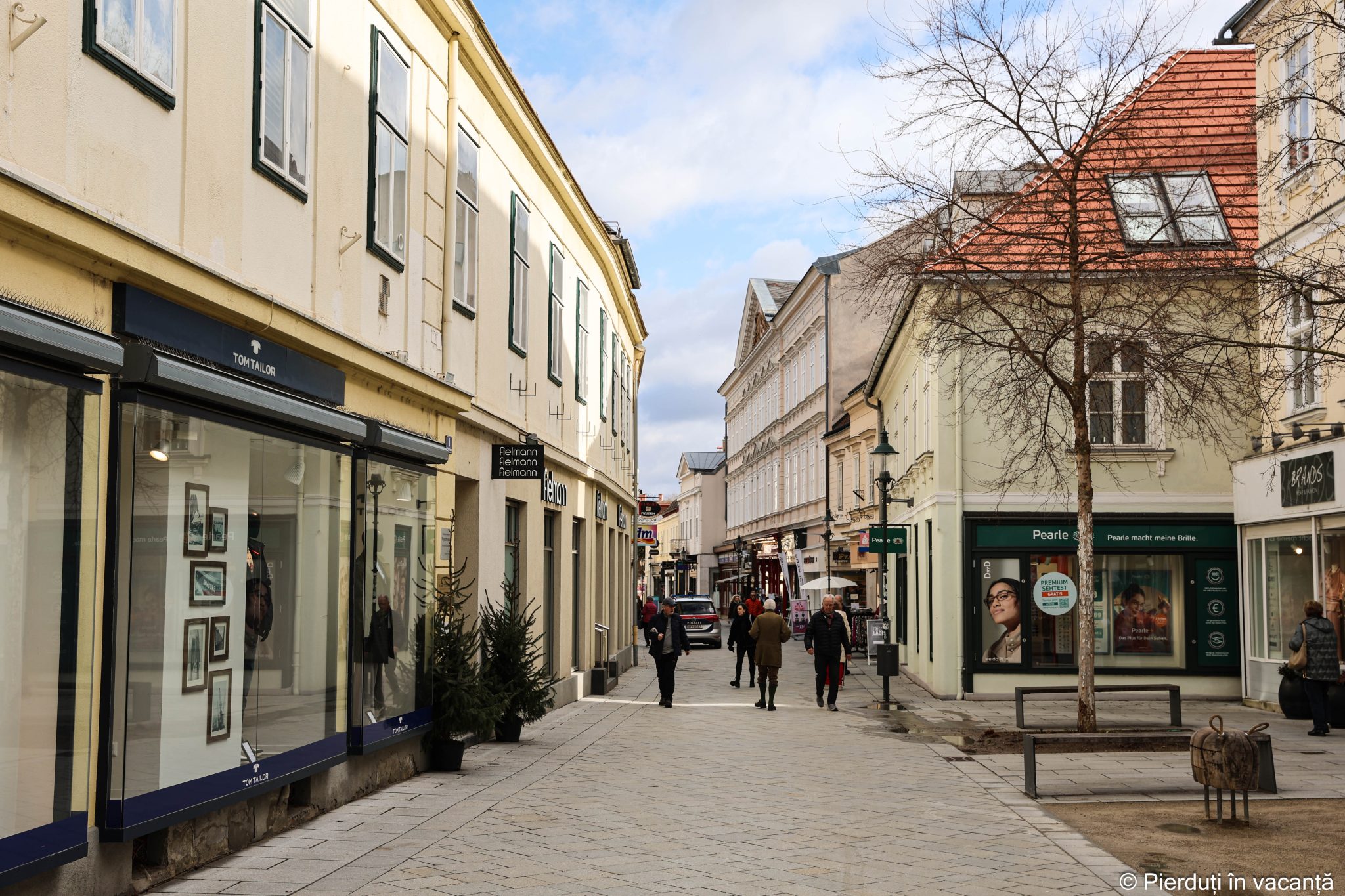
RO: La doar 25 km de Viena, se află Baden bei Wien, un oraș‑stațiune cu tradiție spa de peste două milenii. L-am vizitat pentru prima dată acum mai bine de 15 ani și dacă atunci știam destul de puține despre el, acum m-am dus cu temele făcute.
Ce să vezi în Baden bei Wien?
Cazinoul
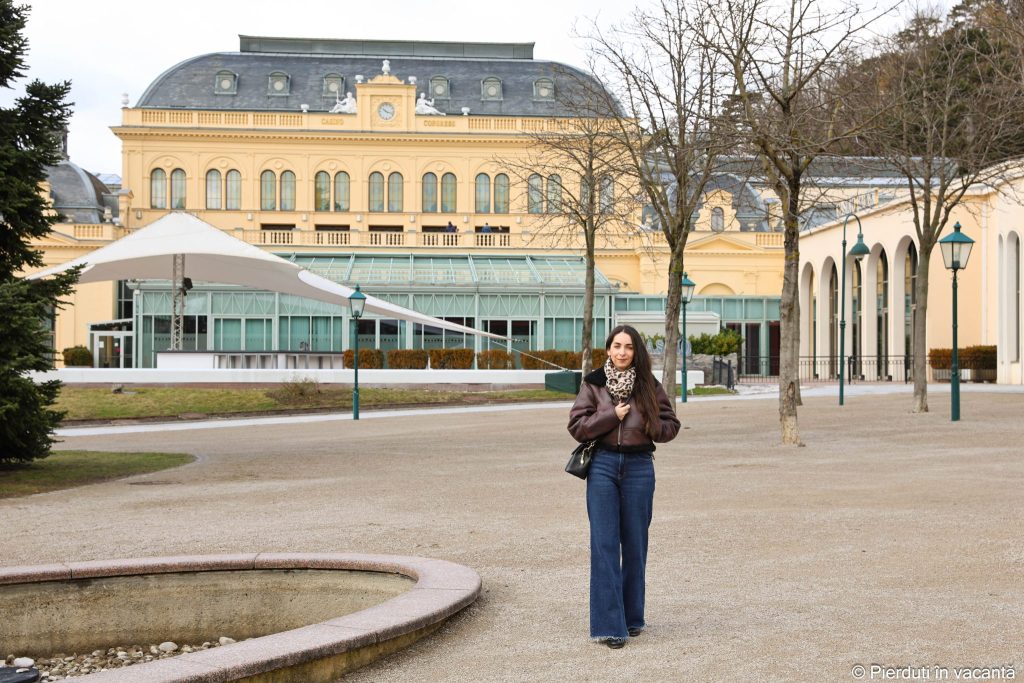
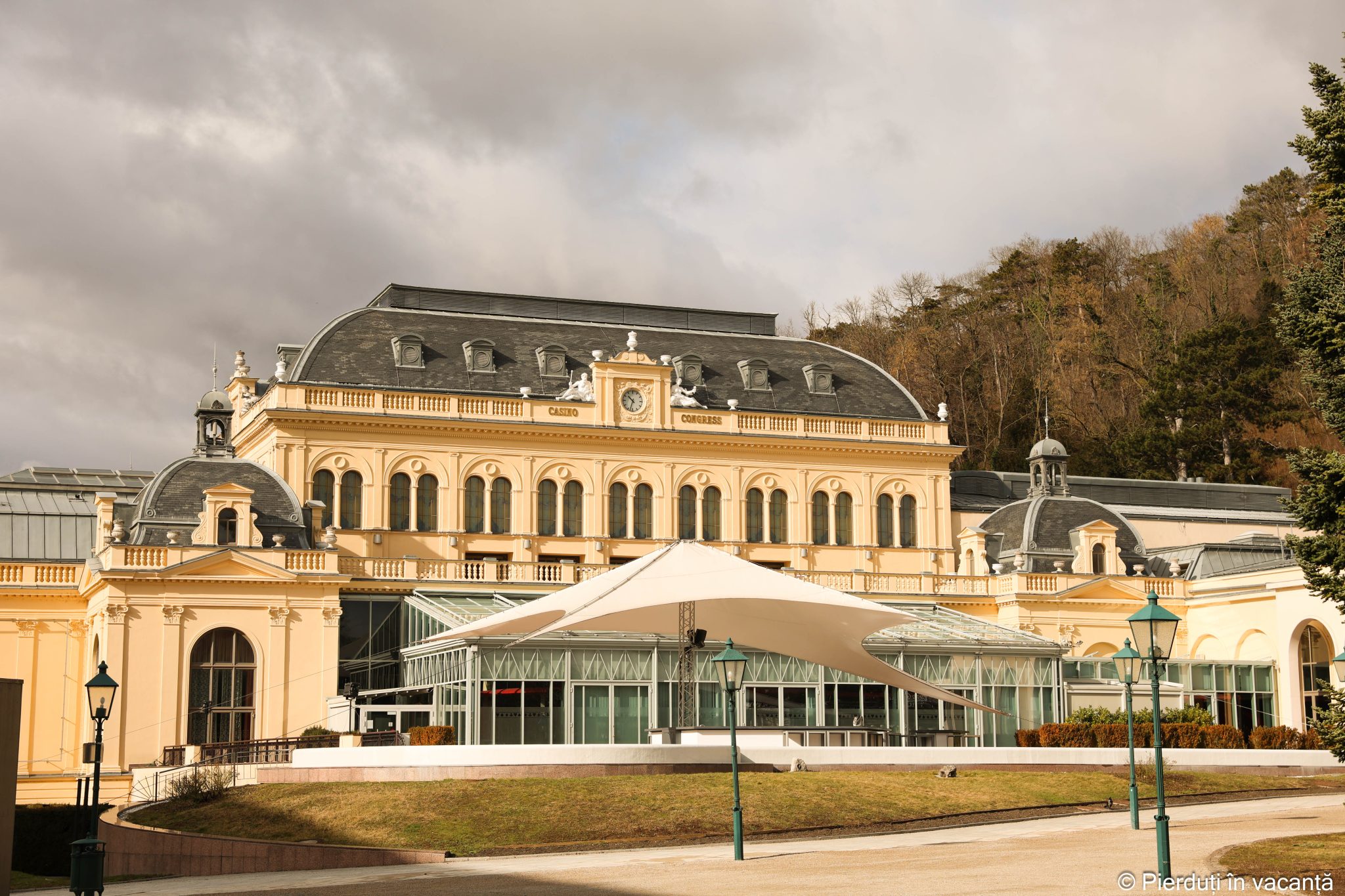
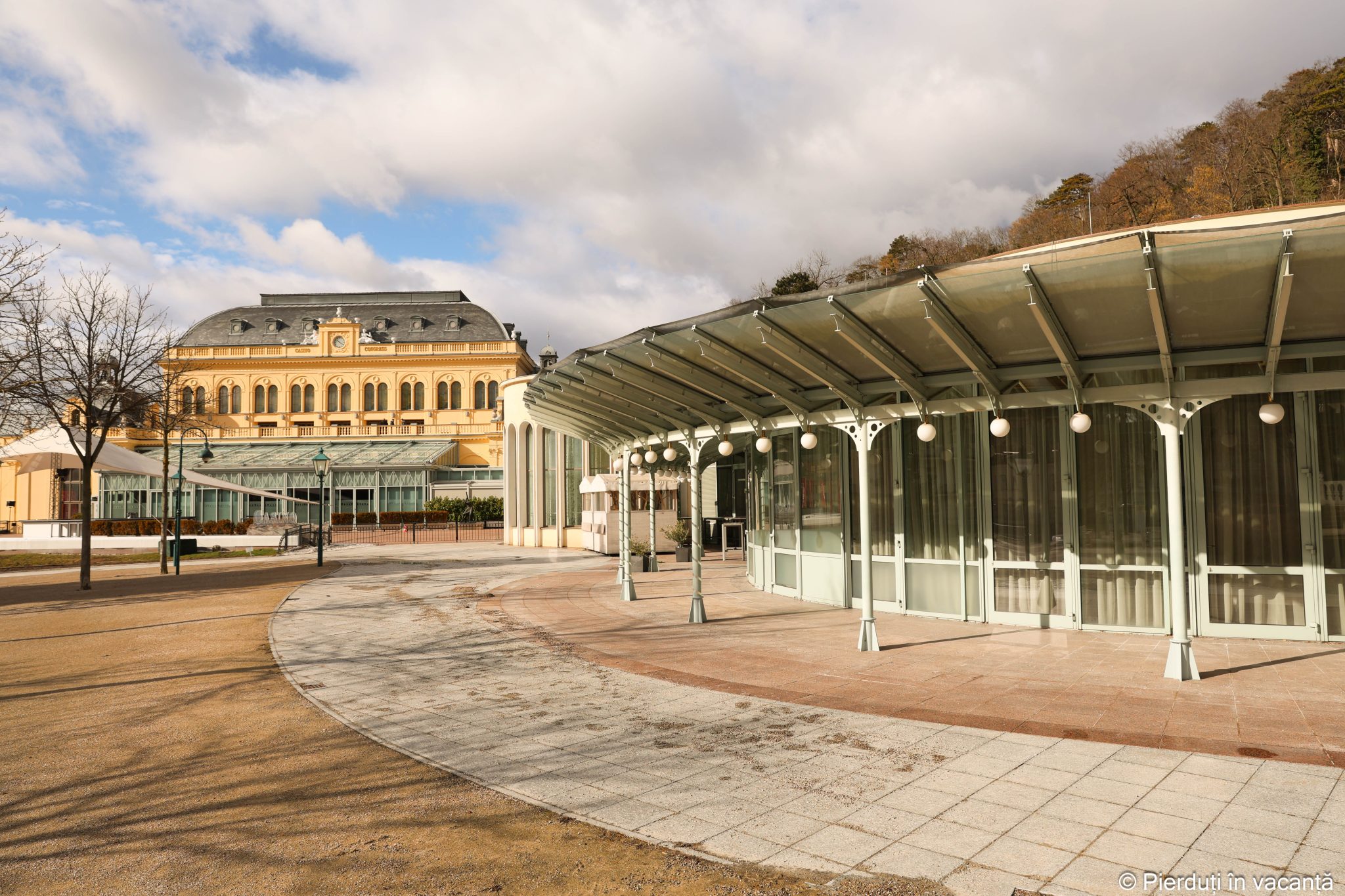
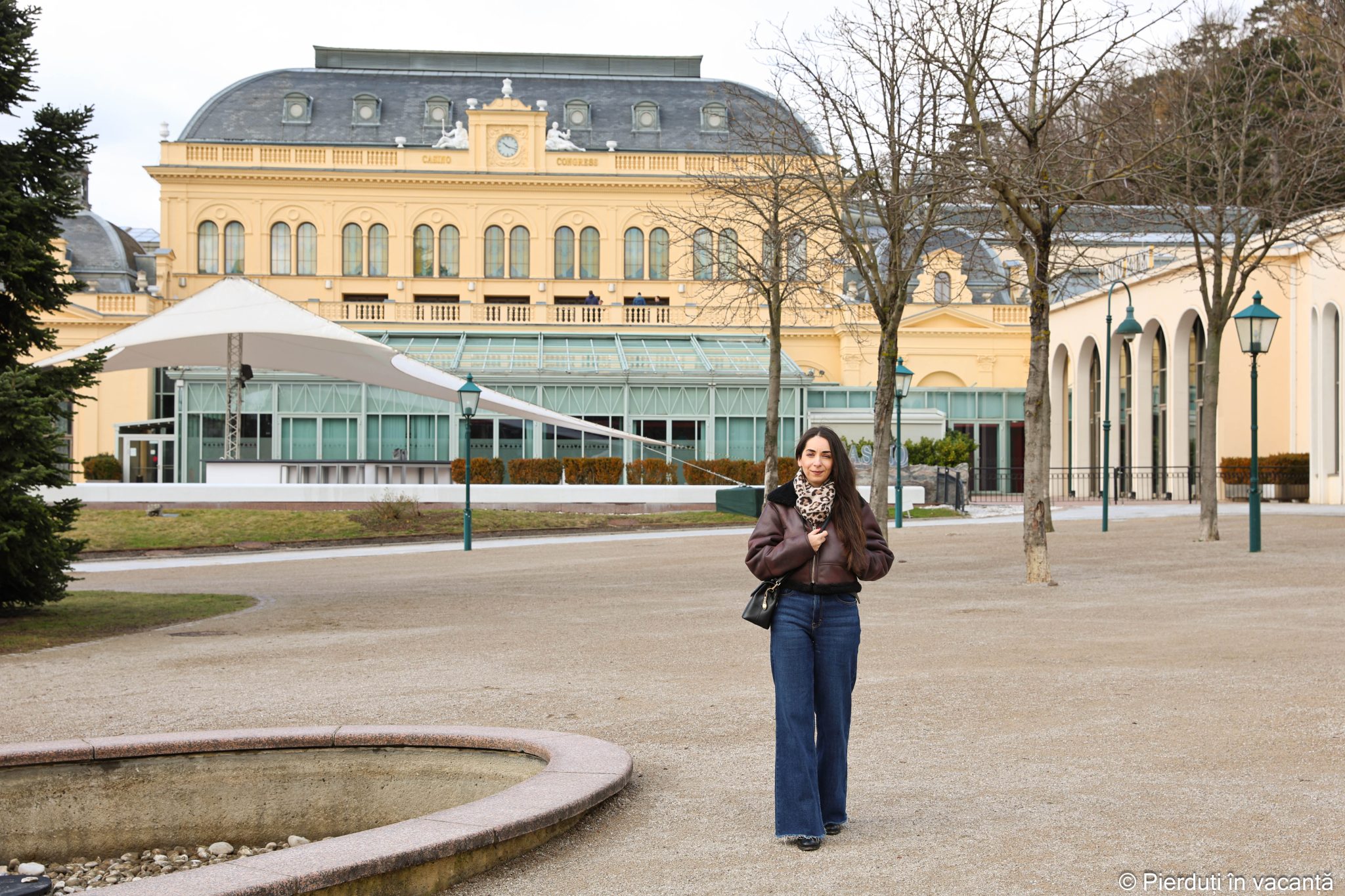
Motivul principal pentru care l-am vizitat este Cazinoul din Baden. Ambele au fost construite în perioada Imperiului Austro-Ungar, ca părți ale unei rețele de stațiuni balneare de lux, destinate aristocrației și burgheziei europene.
Cazinoul din Vatra Dornei a fost proiectat de Friedrich Schachner, un arhitect vienez renumit, care a lucrat și la alte cazinouri și clădiri de prestigiu din Austria. De aceea, dacă privești cu atenție cele două clădiri, vei observa multe asemănări în stilul lor arhitectural, detalii ornamentale și eleganța fațadelor.
Vatra Dornei a fost gândită ca un „Baden al Bucovinei”, un loc în care aristocrația locală și turiștii puteau să se bucure de băi termale, divertisment și relaxare într-un cadru sofisticat. Astăzi, aceste clădiri nu sunt doar martori ai unei epoci de glorie, ci și repere arhitecturale care leagă istoria României de tradițiile elegante ale Imperiului Austro-Ungar.
Izvoarele termale naturale
În Baden sunt și izvoare termale naturale. 14 la număr, aceste conțin apă sulfuroasă și sunt folosite pentru sănătate și wellness încă din vremea romanilor. La Thermalstrandbad, un complex în aer liber, te poți scufunda în piscine răcoroase, iar la Römertherme, te poți bucura de piscine acoperite și facilități de wellness.
Beethoven‑Haus
Dar Baden nu e doar despre relaxare. Este și un oraș plin de cultură și istorie. M-am simțit ca și cum aș fi pășit înapoi în timp vizitând Beethoven‑Haus, locul unde Ludwig van Beethoven și-a găsit inspirația pentru Simfonia a 9‑a în anii 1820.
Compozitorul a vizitat Baden în mod repetat în anii 1820, căutând aici liniștea și aerul curat, care îl ajutau să se concentreze asupra muzicii sale, dar a petrecut mult timp și la izvoarele termale naturale, întrucât avea numeroase boli.
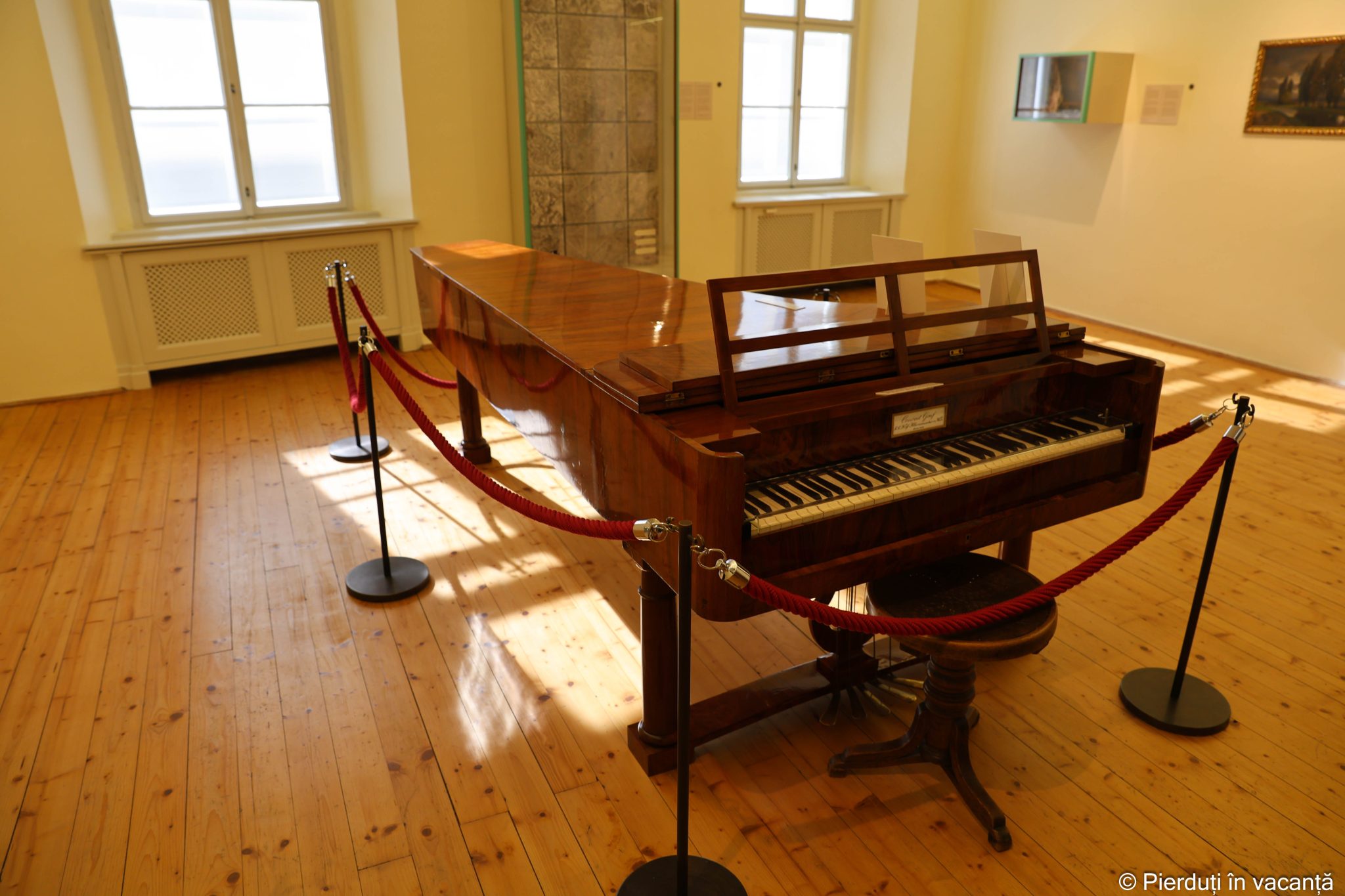
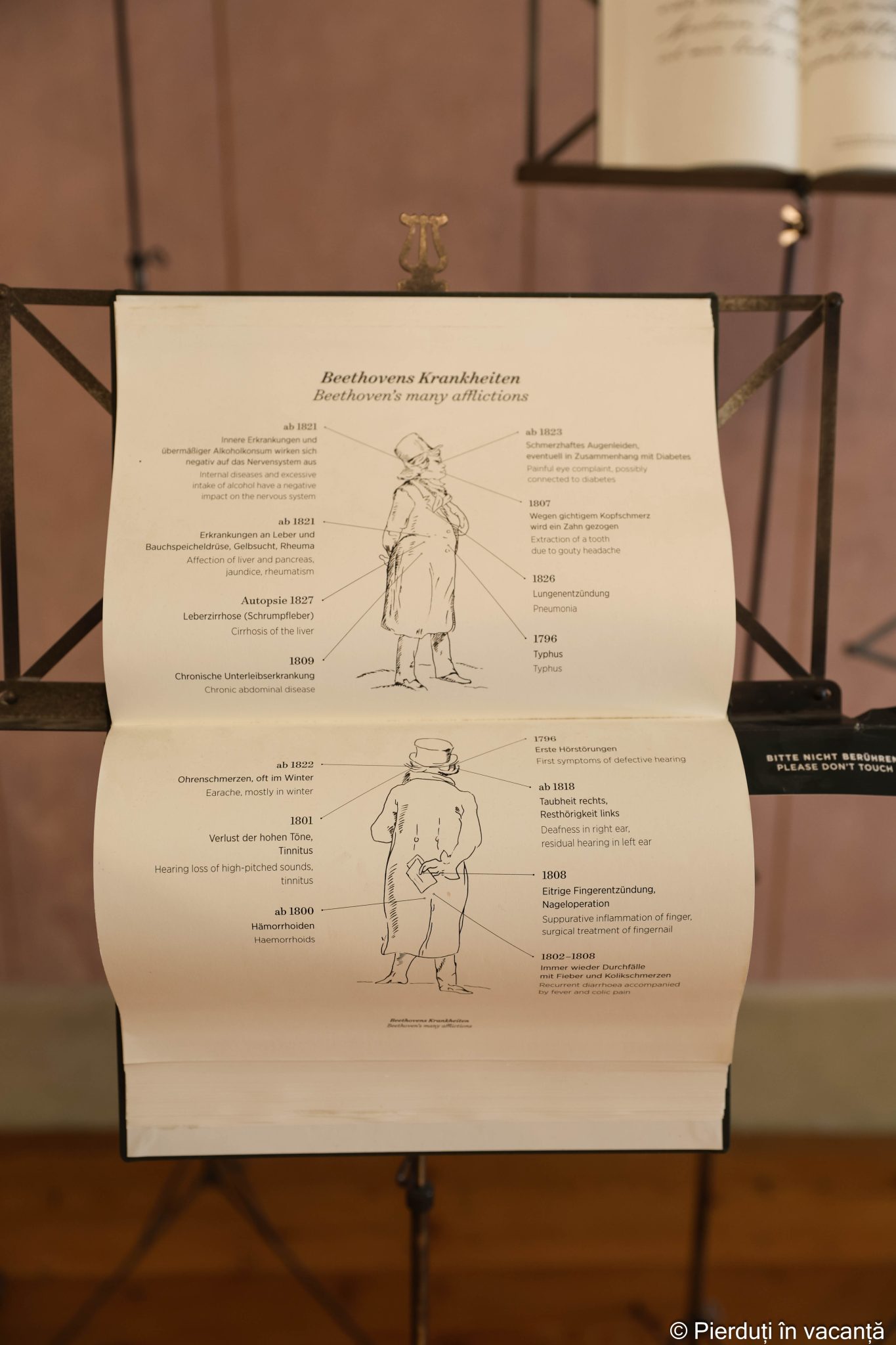
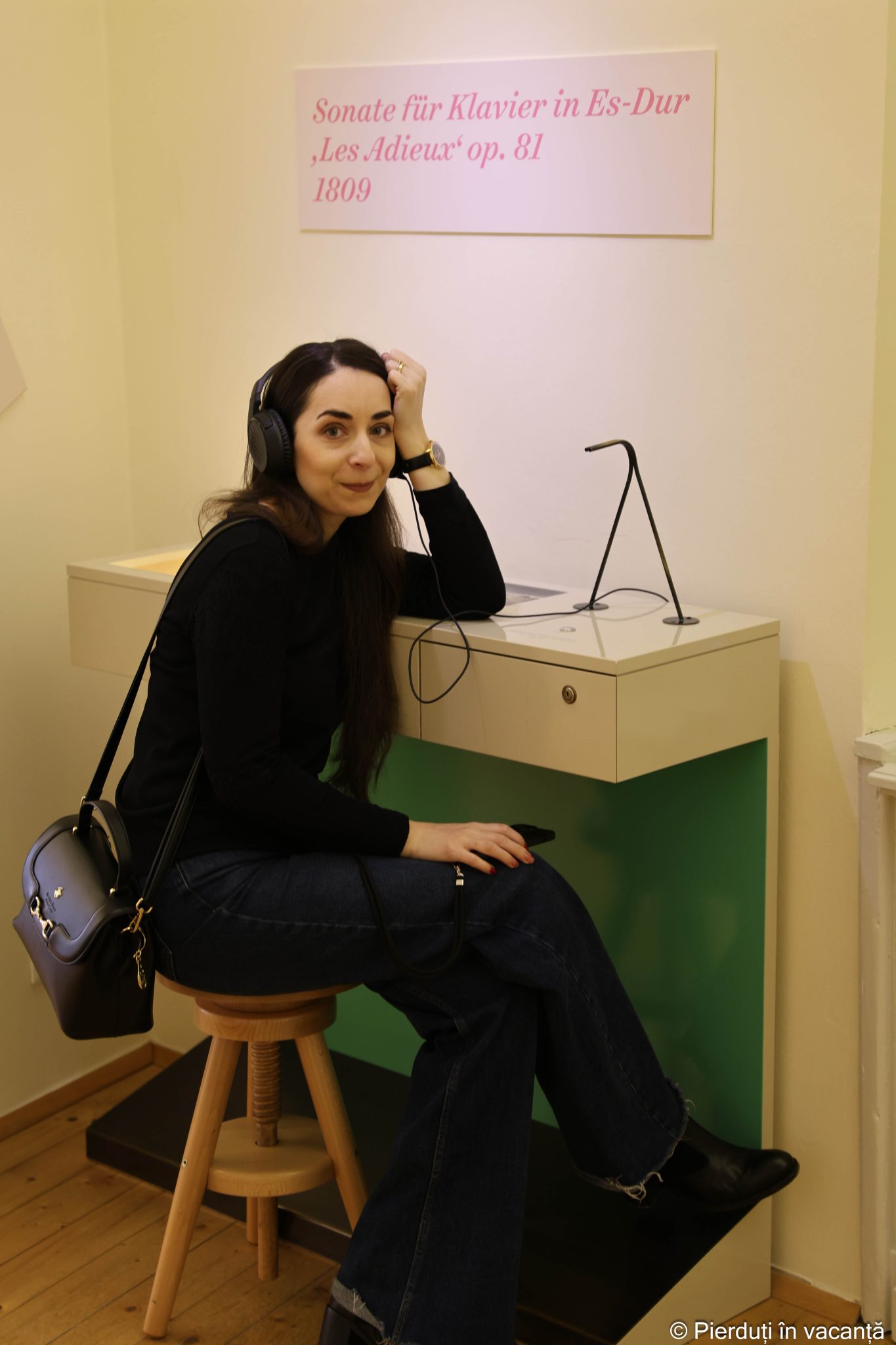
Ce face vizita specială la acest muzeu?
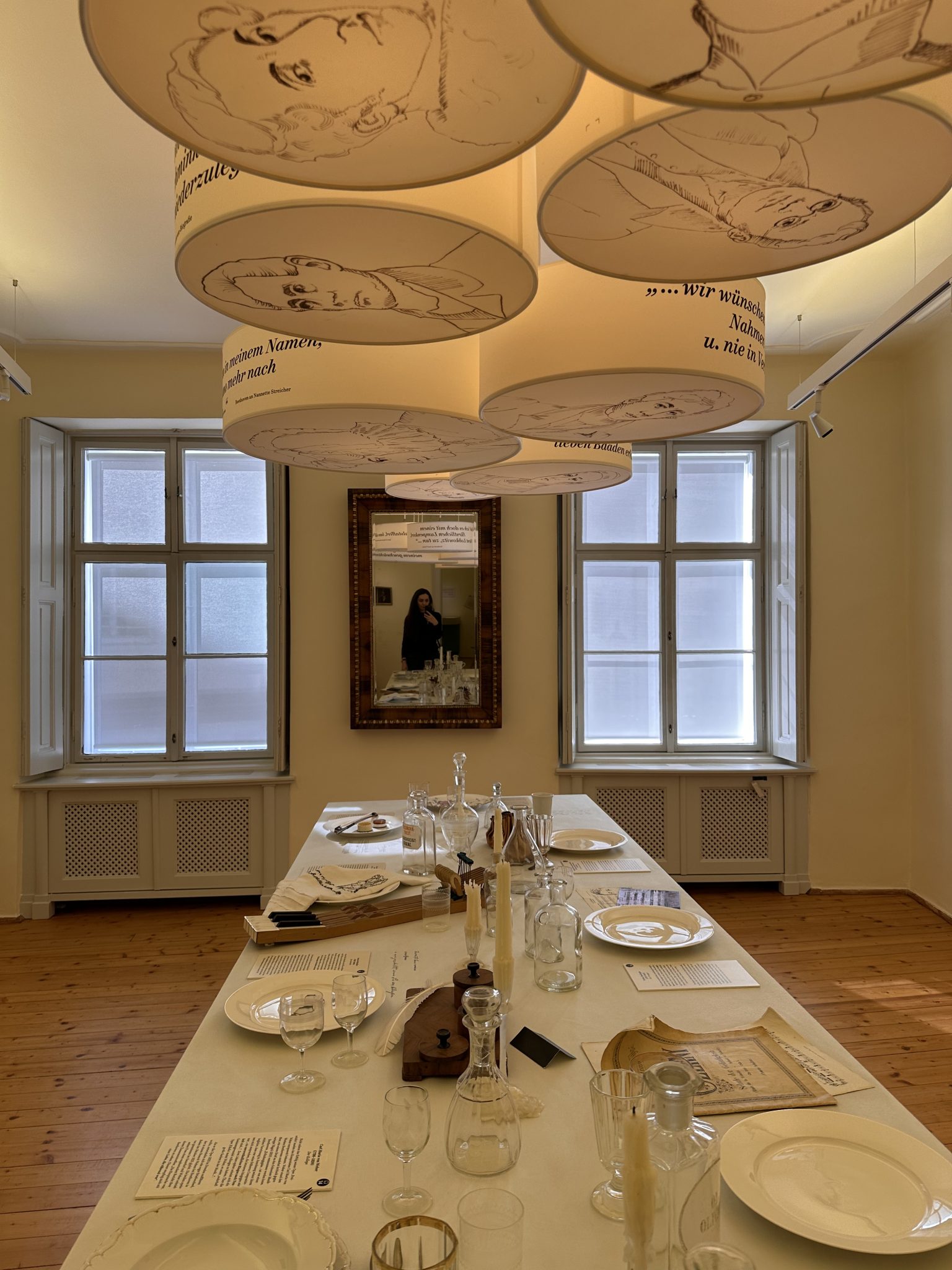
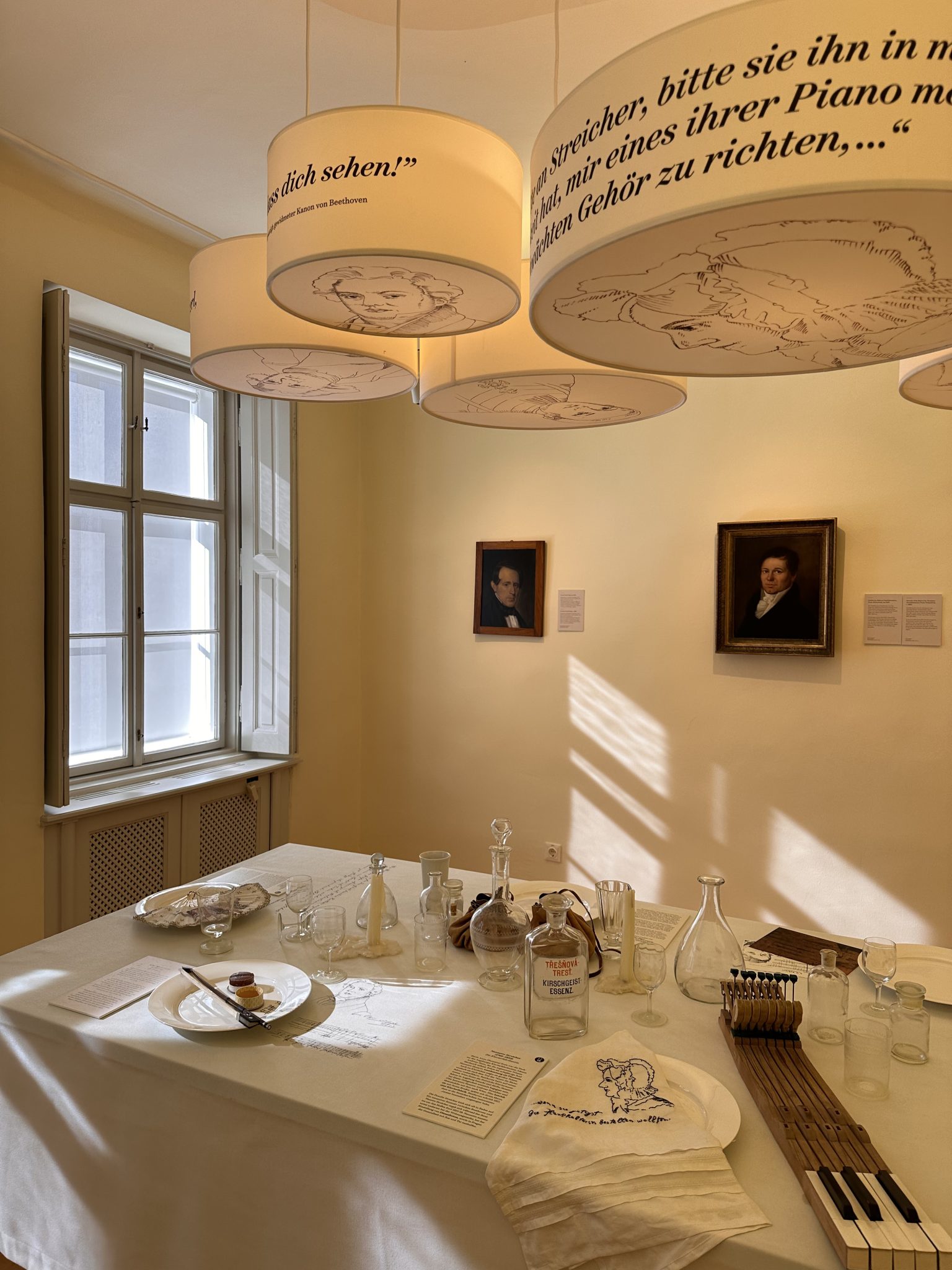
- Camera lui Beethoven – una dintre încăperile muzeului recreează atmosfera în care compozitorul a trăit și a lucrat. Îți poți imagina cum sunetele pianului răsunau printre pereți, în timp ce Beethoven nota fiecare idee muzicală.
- Exponate originale – scrisori, partituri, obiecte personale și chiar instrumente pe care le-a folosit.
- Expoziții temporare și educaționale – muzeul găzduiește și expoziții care explorează viața și influența lui Beethoven, precum și istoria muzicii clasice în Austria, oferind context istoric și cultural pentru vizitatori.
Ce-ar mai fi de văzut în Baden?
- St. Stephan – o biserică gotic‑barocă,
- Arnulf Rainer – muzeu de artă
- Kurpark – parcul din apropierea cazinoului
- Rosarium – una dintre cele mai mari grădini de trandafiri din Europa.
EN: Just 25 km from Vienna, there is Baden bei Wien, a resort town with a spa tradition of over two millennia. I visited it for the first time more than 15 years ago and if I knew quite a bit about it then, now I went with my homework done.
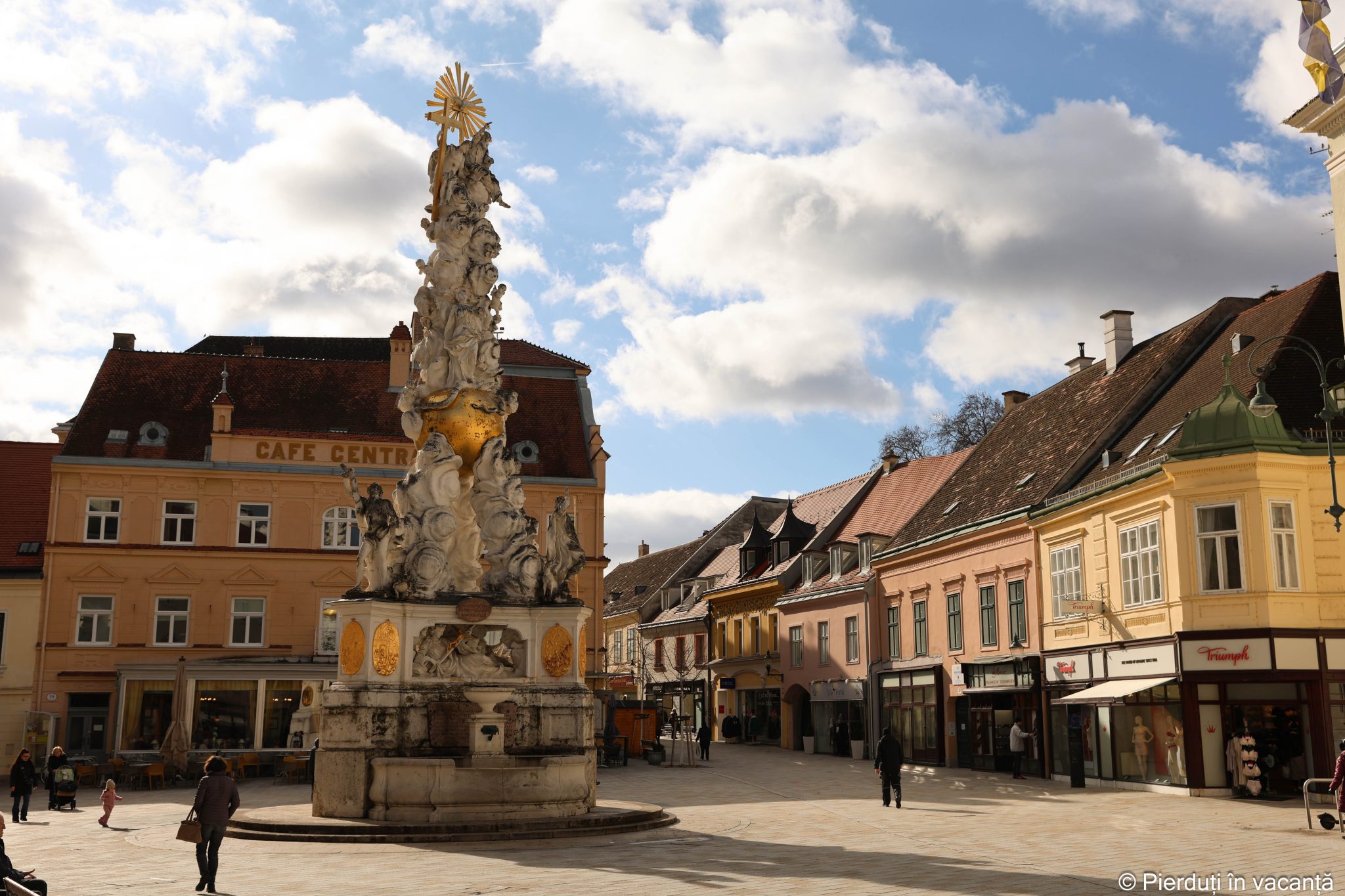
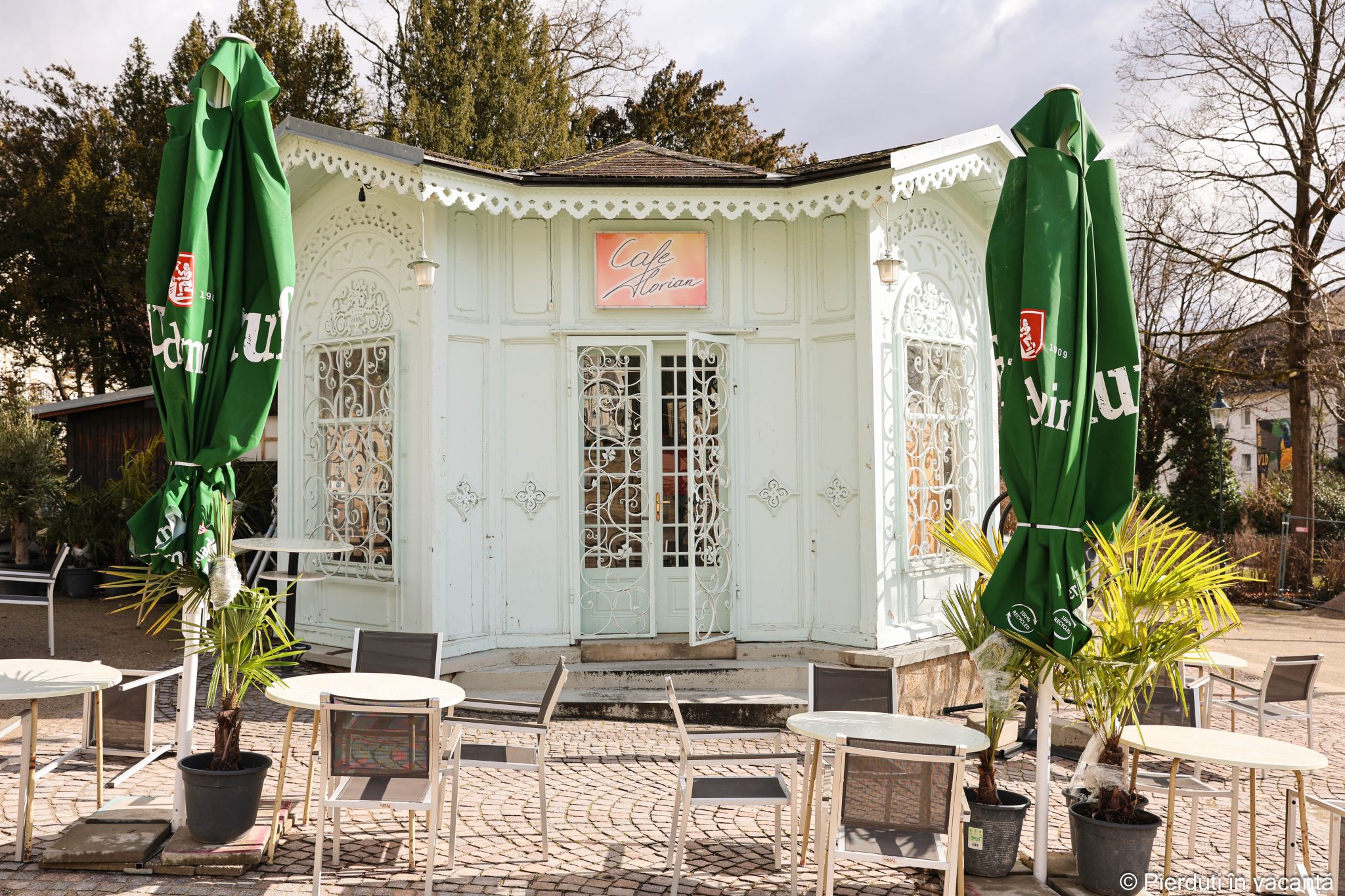
What to see in Baden bei Wien?
The Casino
The main reason I visited it is the Casino in Baden. Both were built during the Austro-Hungarian Empire, as part of a network of luxury spa resorts, intended for the European aristocracy and bourgeoisie.
The Casino in Vatra Dornei was designed by Friedrich Schachner, a renowned Viennese architect, who also worked on other casinos and prestigious buildings in Austria. Therefore, if you look closely at the two buildings, you will notice many similarities in their architectural style, ornamental details and the elegance of the facades.
Vatra Dornei was conceived as a “Baden of Bukovina”, a place where local aristocracy and tourists could enjoy thermal baths, entertainment and relaxation in a sophisticated setting. Today, these buildings are not only witnesses to a glorious era, but also architectural landmarks that connect Romania’s history with the elegant traditions of the Austro-Hungarian Empire.
Natural thermal springs
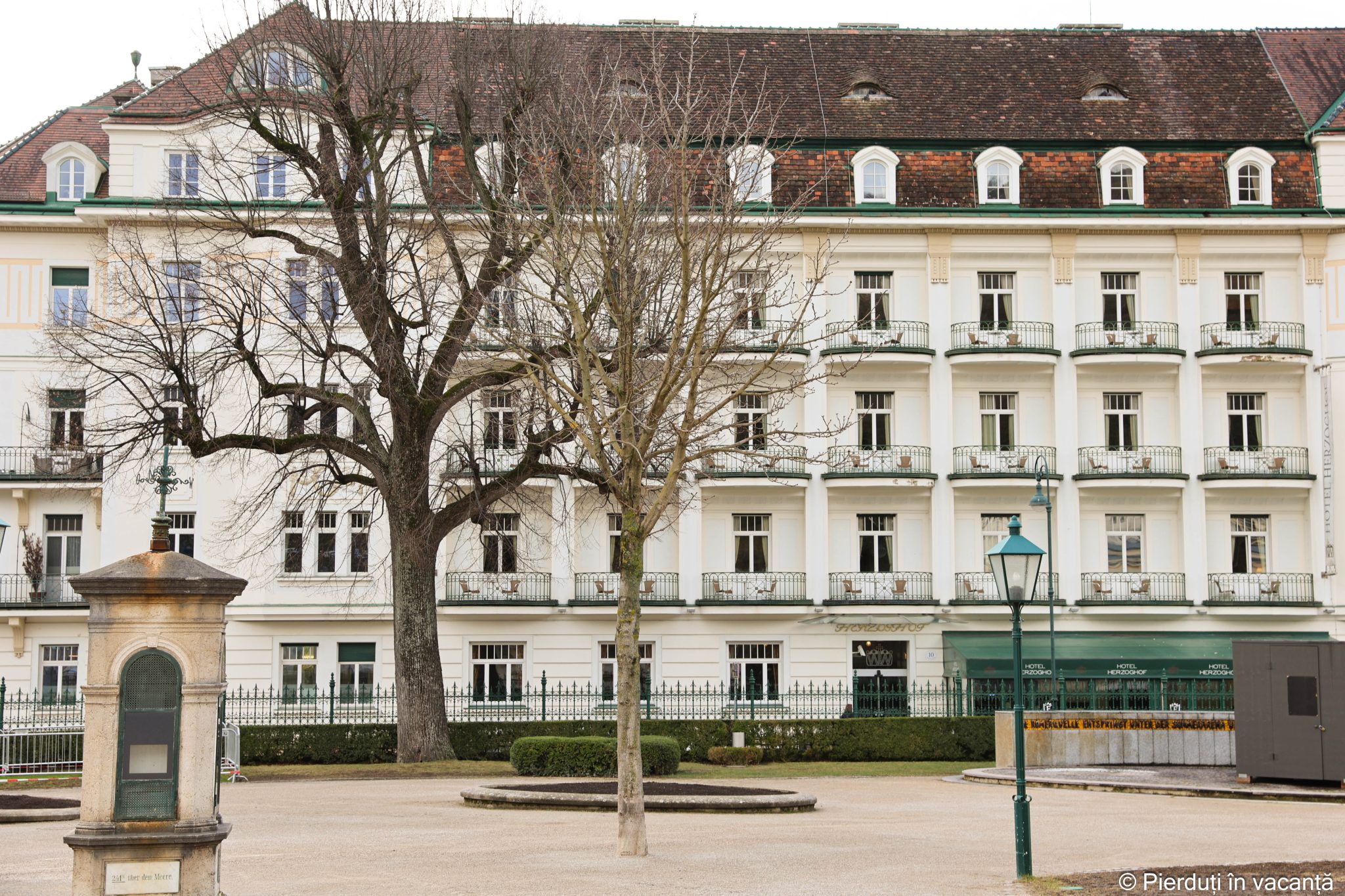
Baden is also home to natural thermal springs. 14 of them contain sulphurous water and have been used for health and wellness since Roman times. At the Thermalstrandbad, an outdoor complex, you can dive into cool pools, and at the Römertherme, you can enjoy indoor pools and wellness facilities.
Beethoven-Haus
But Baden is not just about relaxation. It is also a city full of culture and history. I felt like I had stepped back in time visiting the Beethoven-Haus, the place where Ludwig van Beethoven found inspiration for his 9th Symphony in the 1820s.
The composer visited Baden repeatedly in the 1820s, seeking the peace and fresh air here, which helped him concentrate on his music, but he also spent a lot of time at the natural thermal springs, as he suffered from numerous ailments.
What makes this museum special?
The Beethoven Room – one of the museum’s rooms recreates the atmosphere in which the composer lived and worked. You can imagine how the sounds of the piano echoed through the walls as Beethoven wrote down each musical idea.
Original exhibits – letters, sheet music, personal belongings and even the instruments he used. Temporary and educational exhibitions – the museum also hosts exhibitions exploring Beethoven’s life and influence, as well as the history of classical music in Austria, providing historical and cultural context for visitors.
What else is there to see in Baden?
- St. Stephan – a Gothic-Baroque church
- Arnulf Rainer – art museum
- Kurpark – the park near the casino
- Rosarium – one of the largest rose gardens in Europe.