Așezată pe șapte coline, cu tramvaie galbene care urcă și coboară pante abrupte pavate cu piatră cubică, Lisabona, capitala Portugaliei, este o destinație ideală pentru o escapadă de două zile. Deși timpul este limitat, cu un itinerariu bine pus la punct, poți descoperi cele mai reprezentative atracții ale orașului.
Ziua I
1. Cartierul Alfama și Miradouro de Santa Luzia
Începe-ți dimineața devreme în Alfama, cel mai vechi și mai pitoresc cartier din Lisabona. Acesta a scăpat parțial de distrugerile provocate de cutremurul din 1755, păstrându-și aspectul medieval, cu străduțe înguste, balcoane decorate cu flori și rufe atârnate la uscat.
Urcă spre Miradouro de Santa Luzia, unul dintre cele mai frumoase puncte de belvedere din oraș. De aici poți admira acoperișurile roșii ale caselor din Alfama, fluviul Tejo și cupolele catedralelor. Terasa decorată cu azulejos (plăci ceramice pictate) este perfectă pentru o pauză de cafea și câteva fotografii memorabile.


2. Castelul São Jorge și Catedrala Sé
La câțiva pași de miradouro se află Castelul São Jorge, o fortăreață medievală cu origini ce datează din secolul al XI-lea. Pe lângă zidurile impresionante și turnurile sale, castelul oferă una dintre cele mai spectaculoase priveliști asupra orașului. Poți explora curtea interioară și fostele bastioane.
Oprește-te apoi și la Catedrala Sé, cea mai veche biserică din Lisabona, construită în secolul al XII-lea. Este un amestec de stiluri arhitecturale, de la roman la gotic, și găzduiește relicve și artefacte valoroase.


3. Baixa și Elevador de Santa Justa
Dupa ce ai explorat Alfama, coboară spre Baixa, cartierul central, reconstruit după cutremurul din 1755. Cu bulevarde largi, piețe simetrice și o arhitectură neoclasică impunătoare, Baixa este inima comercială a orașului.
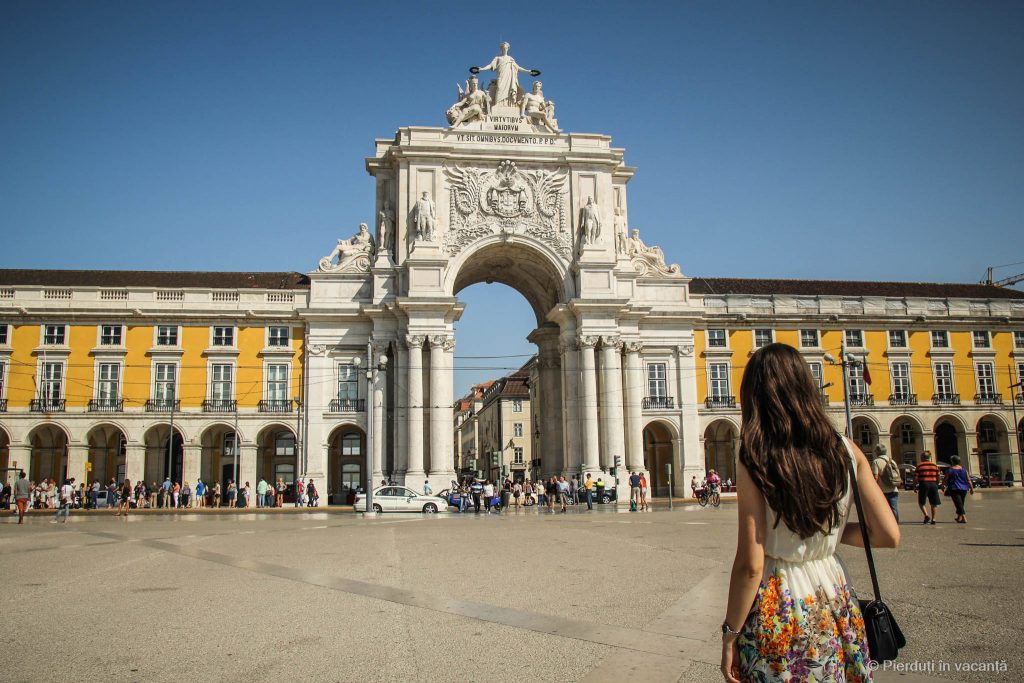
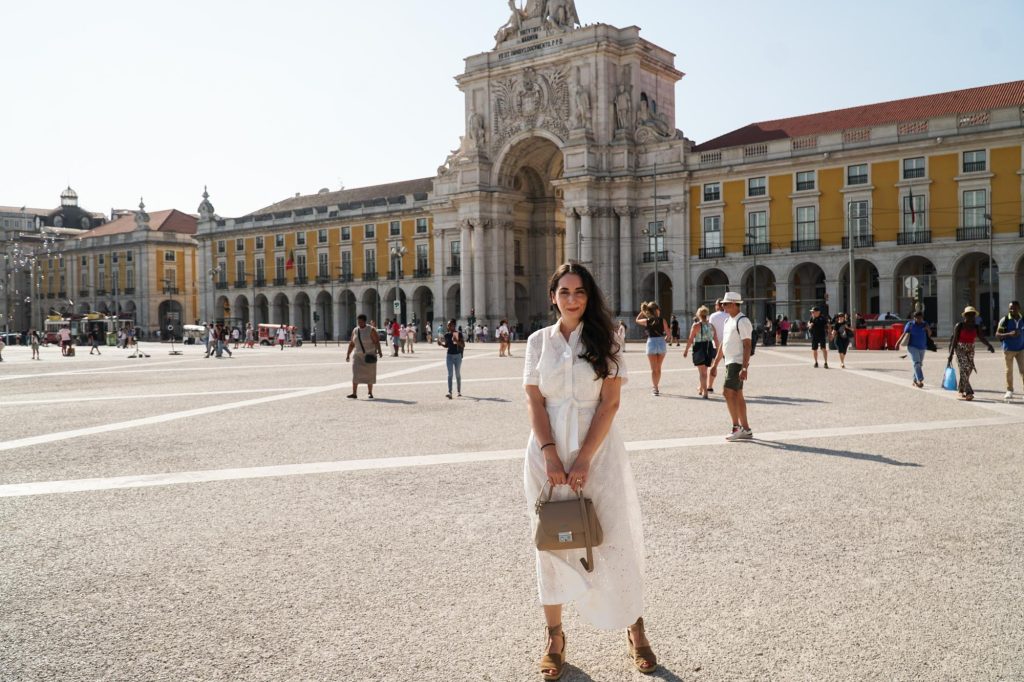
Fă o oprire la Praça do Comércio, o piață monumentală deschisă către fluviu, mărginită de clădiri galbene cu arcade. De aici poti porni pe Rua Augusta, o arteră pietonală animată de cafenele, magazine și artiști stradali.
În apropiere se află Elevador de Santa Justa, un lift spectaculos din fier forjat, în stil neogotic, ce oferă o vedere splendidă asupra cartierului Baixa și râului Tejo.


4. Muzeul Carmo și Bairro Alto
Aproape de Elevador de Santa Justa se află Muzeul Carmo, situat pe ruinele unei foste mănăstiri gotice, parțial distruse de cutremur.
Spre seară, explorează Bairro Alto, un cartier boem cunoscut pentru viața de noapte vibrantă. Tot aici se află și celebrul Funicular da Bica, care urcă pe strada abruptă Bica – Largo do Calhariz. Este un simbol al orașului și unul dintre cele mai fotografiate din Lisabona.
Încheie seara pe Rua Nova do Carvalho, cunoscută și sub numele de Pink Street. Cândva o zonă rău famată, astăzi este un hotspot cu pavaj roz și baruri moderne.


Ziua II
1. Belém: Pe urmele marilor exploratori
Poți dedica această zi cartierului Belém, aflat la câțiva kilometri vest de centru. Este locul epocii descoperirilor portugheze și găzduiește unele dintre cele mai emblematice monumente ale orașului.
Vizitează Mănăstirea Jerónimos, o capodoperă a stilului manuelin, construită în secolul al XVI-lea pentru a celebra călătoria lui Vasco da Gama în India. Curtea interioară este spectaculoasă, decorată cu detalii sculpturale fine.
Traversează bulevardul și continuă-ți vizita cu Turnul Belém, o fortăreață construită pentru a proteja intrarea în port. Este un simbol național și un excelent loc pentru a fotografia fluviul Tejo. În prezent, turnul se află în renovare.
Vizitează apoi Monumentul Descoperirilor, dedicat marilor navigatori portughezi. Forma monumentului, ce seamănă cu o corabie gata de plecare, este impresionantă.
Oprește-te și la faimoasa Pastéis de Belém, unde poți gusta cea mai celebră versiune a pastel de nata.


- MAAT: Artă și arhitectură modernă
La mică distanță de Belém se află MAAT – Museum of Art, Architecture and Technology, un spațiu cultural contemporan aflat pe malul râului Tejo. Clădirea cu forme curbe și fațadă reflectorizantă este o atracție în sine. Poți urca pe acoperiș pentru o priveliște spectaculoasă asupra fluviului Tejo și a podului 25 de Abril (care amintește de Golden Gate-ul din San Francisco).

În poze port două rochii de la Sofiaman, pe care le găsiți în categoria Vacanță, aici și aici.
Nu uita să mă urmărești și pe Facebook și Instagram, unde postez destul de des.
EN: Lisbon, Portugal – what to visit in 2 days
Set on seven hills, with cobblestone streets and yellow trams that go up and down steep slopes, Lisbon, the capital of Portugal, is an ideal destination for a two-day getaway. Although time is limited, with a well-planned itinerary, you can discover the city’s most representative attractions.
Day one
-
Alfama District and Miradouro de Santa Luzia
Start your morning early in Alfama, the oldest and most picturesque district of Lisbon. It partially escaped the destruction caused by the earthquake of 1755, preserving its medieval appearance, with narrow streets, balconies decorated with flowers and laundry hanging to dry.
Climb to Miradouro de Santa Luzia, one of the most beautiful viewpoints in the city. From here you can admire the red roofs of the houses of Alfama, the Tejo River and the domes of the cathedrals. The terrace decorated with azulejos (painted ceramic tiles) is perfect for a coffee break and some memorable photos.


-
São Jorge Castle and Sé Cathedral
A few steps from the miradouro is the São Jorge Castle, a medieval fortress with origins dating back to the 11th century. In addition to its impressive walls and towers, the castle offers one of the most spectacular views of the city. You can explore the inner courtyard and the former bastions.
Then stop at the Sé Cathedral, the oldest church in Lisbon, built in the 12th century. It is a mix of architectural styles, from Romanesque to Gothic, and houses valuable relics and artifacts.
-
Baixa and Elevador de Santa Justa
After exploring Alfama, head down to Baixa, the central district, rebuilt after the 1755 earthquake. With wide boulevards, symmetrical squares and imposing neoclassical architecture, Baixa is the commercial heart of the city.
Stop at Praça do Comércio, a monumental square facing the river, lined with yellow buildings with arcades. From here, you can head down Rua Augusta, a lively pedestrian thoroughfare filled with cafes, shops and street performers.
Nearby is the Elevador de Santa Justa, a spectacular wrought-iron elevator in neo-Gothic style that offers splendid views of the Baixa district and the Tejo River.

-
Carmo Museum and Bairro Alto
Close to the Elevador de Santa Justa is the Carmo Museum, located on the ruins of a former Gothic monastery, partially destroyed by the earthquake.
In the evening, explore Bairro Alto, a bohemian neighborhood known for its vibrant nightlife. It is also home to the famous Funicular da Bica, which climbs the steep Bica Street – Largo do Calhariz. It is a symbol of the city and one of the most photographed in Lisbon.
End the evening on Rua Nova do Carvalho, also known as Pink Street. Once a notorious area, today it is a hotspot with pink pavement and modern bars.


Day two
-
Belém: In the footsteps of the great explorers
You can dedicate this day to the Belém neighborhood, located a few kilometers west of the center. It is the site of the Portuguese Age of Discovery and is home to some of the most emblematic monuments of the city.
Visit the Jerónimos Monastery, a masterpiece of the Manueline style, built in the 16th century to celebrate Vasco da Gama’s voyage to India. The inner courtyard is spectacular, decorated with fine sculptural details.
Cross the boulevard and continue your visit with the Belém Tower, a fortress built to protect the entrance to the port. It is a national symbol and an excellent place to photograph the Tejo River. The tower is currently undergoing renovation.
Then visit the Monument of the Discoveries, dedicated to the great Portuguese navigators. The shape of the monument, which resembles a ship ready to set sail, is impressive.
Also stop at the famous Pastéis de Belém, where you can taste the most famous version of pastel de nata.


-
MAAT: Modern Art and Architecture
A short distance from Belém is MAAT – Museum of Art, Architecture and Technology, a contemporary cultural space located on the banks of the Tagus. The building with curved shapes and reflective facade is an attraction in itself. You can climb to the roof for a spectacular view of the Tejo River and the 25 de Abril Bridge (which is reminiscent of the Golden Gate in San Francisco).
In the pictures I’m wearing two dresses from Sofiaman, which you can find in the Holiday category, here and here.
Don’t forget to follow me on Facebook and Instagram too, where I post quite often.