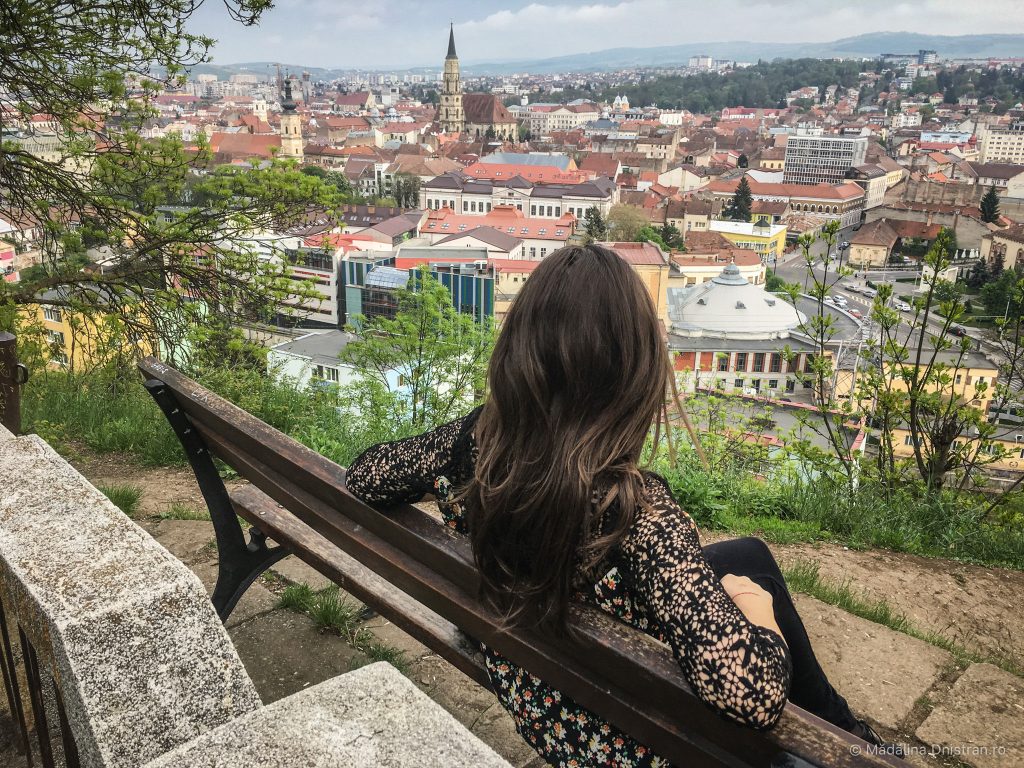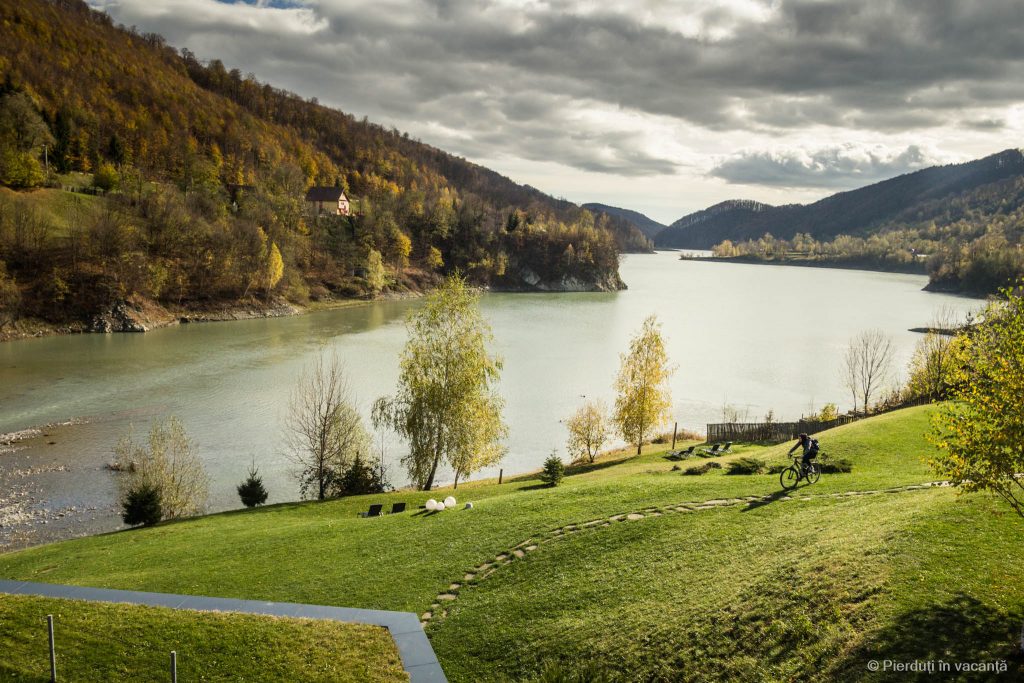
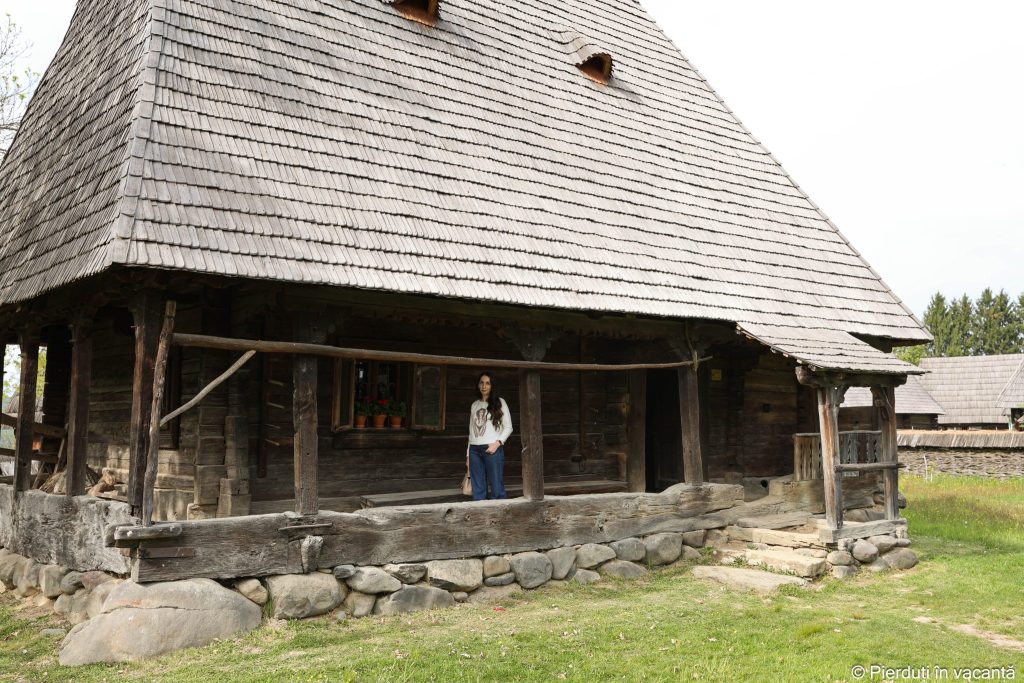
RO: Dacă ajungi în Maramureș, nu rata orașul Sighetu Marmației. Poate că nu e genul de destinație care apare în listele „must-see” de weekend, dar îți garantez că merită să te oprești și aici.
Cuiul – acolo unde se agață harta în cui
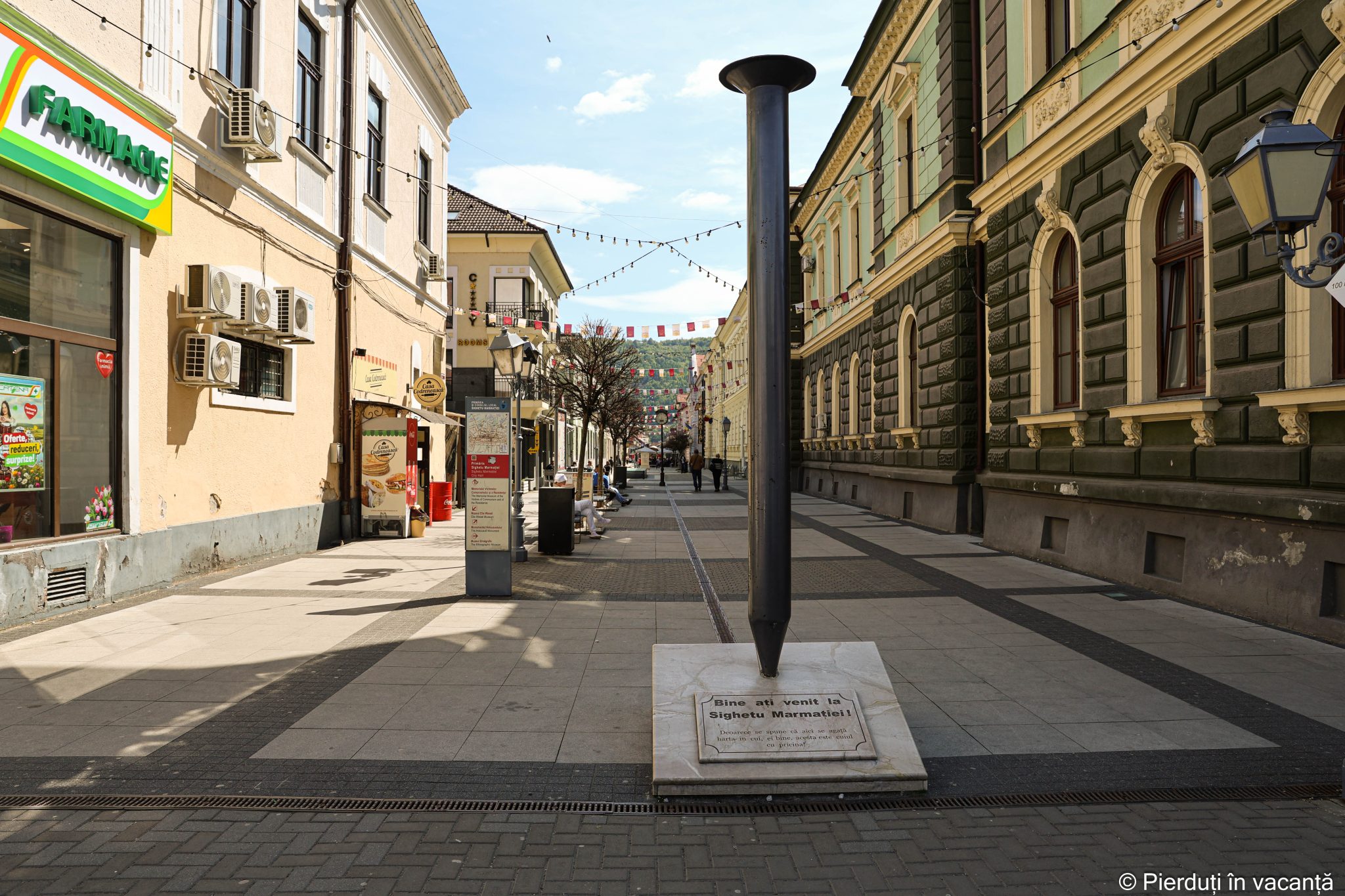
Chiar lângă primărie se află un cui cam de 2 metri înălțime. Care e povestea lui? Inițial, „cuiul” era doar o glumă legată de expresia „aici se agață harta în cui”, datorată poziției nordice a orașului. Dar la un moment dat, gluma a fost luată… la propriu.
Așa că fosta administrație a orașului a instalat în centrul Sighetului un monument în formă de cui. La baza lui stă scris: „Dacă tot se spune că aici se agață harta în cui… acesta e cuiul.”
Memorialul Victimelor Comunismului şi al Rezistenţei
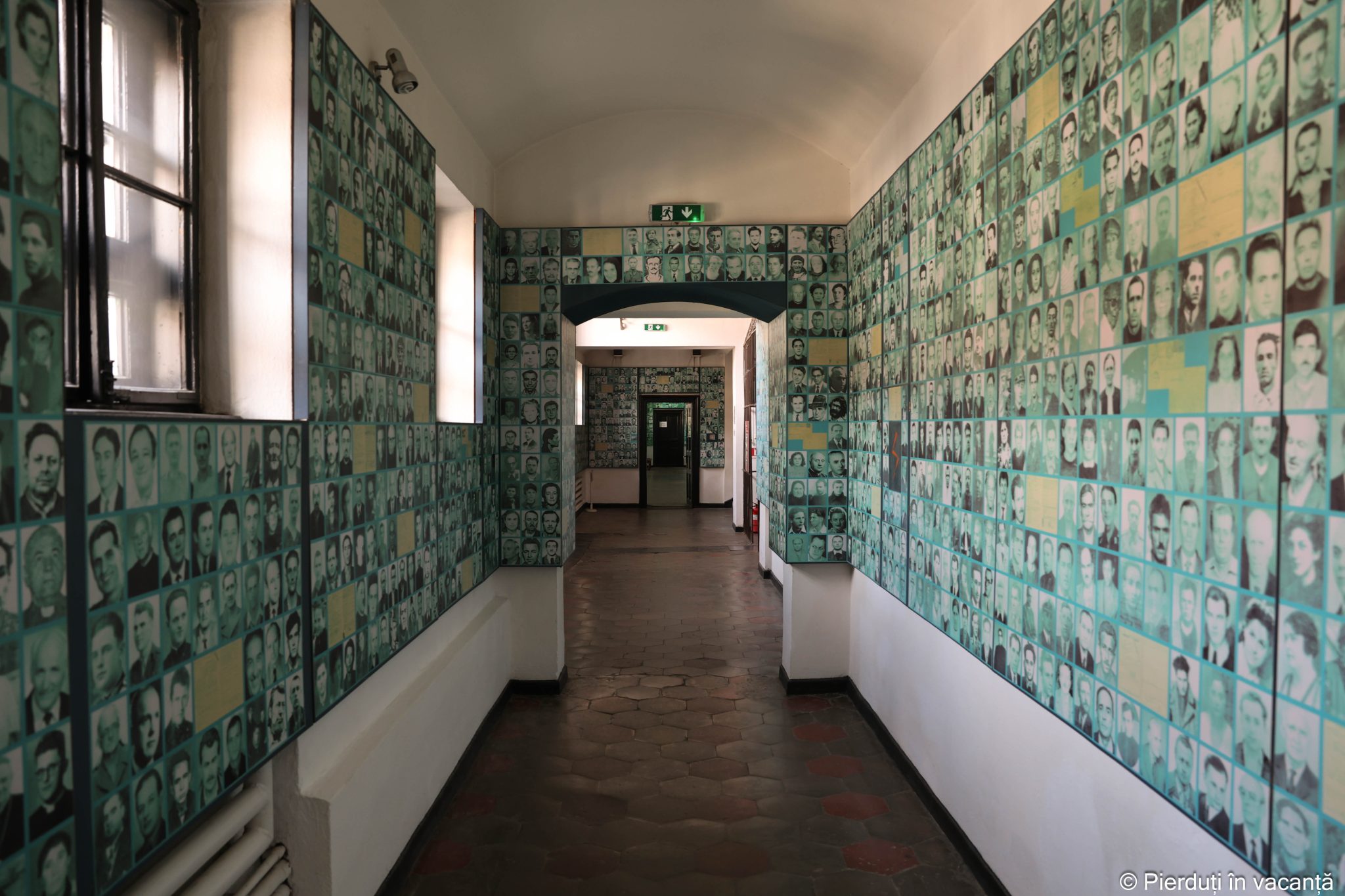
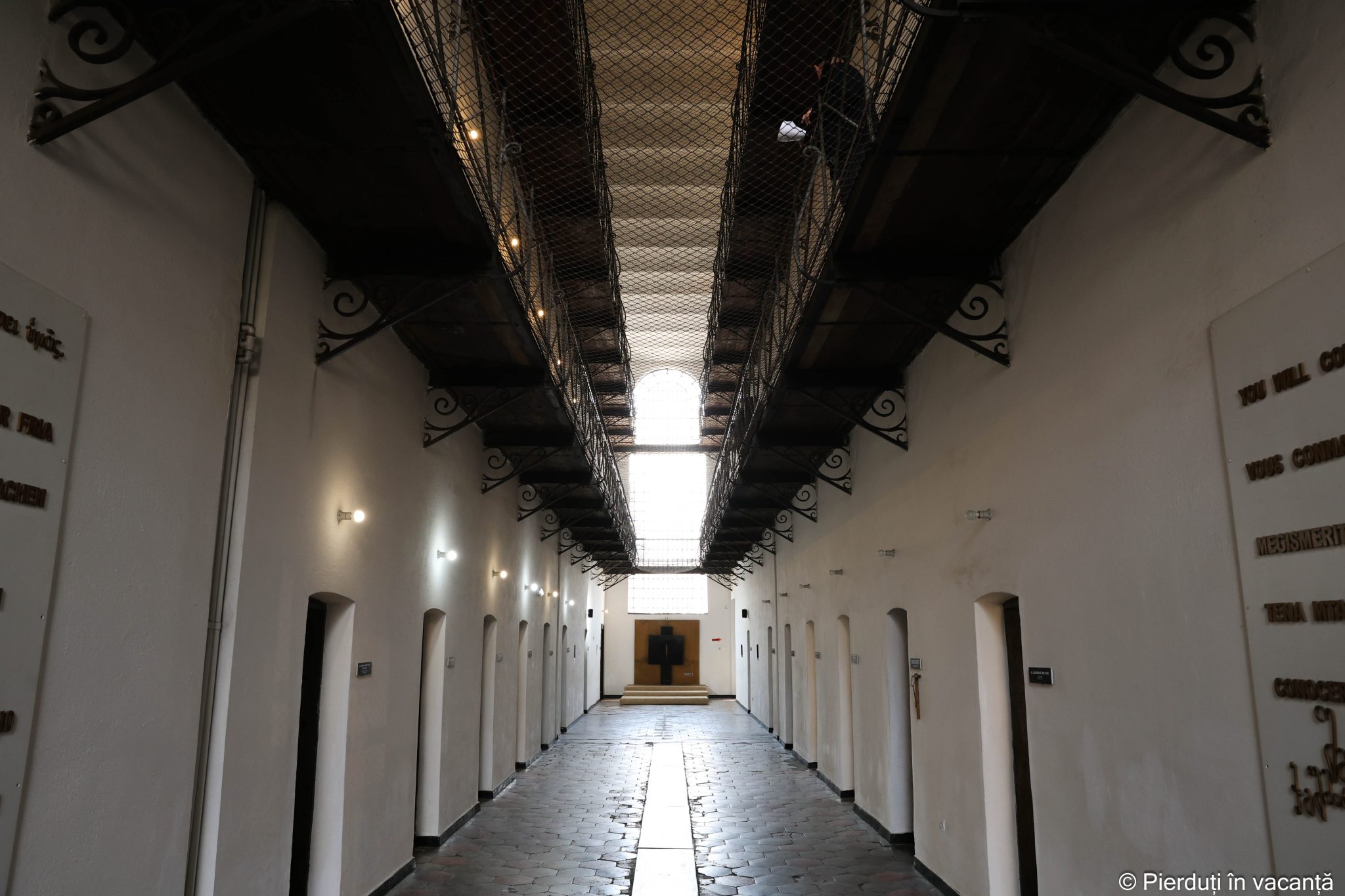
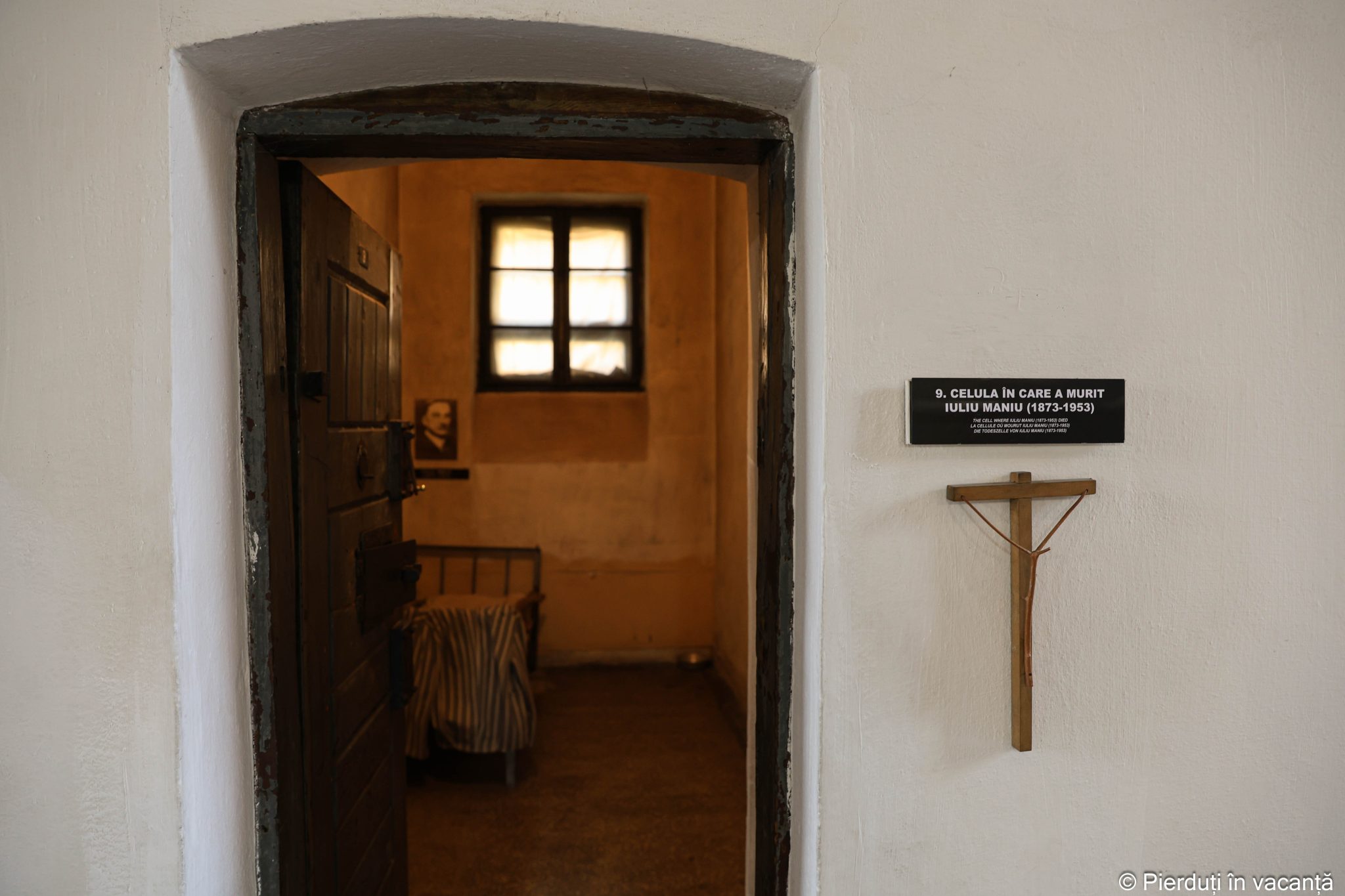
La câțiva pași de celebrul cui, se află Memorialul Victimelor Comunismului şi al Rezistenţei.
Știam, teoretic, la ce să mă aștept. Practic, însă, nimic nu te pregătește cu adevărat pentru atmosfera de acolo. Clădirea fostei închisori e impunătoare într-un mod sobru, iar odată ce pășești înăuntru, parcă intri într-o altă lume. Coridoarele lungi, celulele reci, pereții care par să păstreze ecoul pașilor și al vocilor de demult – toate contribuie la o experiență profundă.
Am trecut prin fiecare sală cu un nod în gât. Fiecare încăpere spune o poveste. Despre oameni reali, despre destine frânte, despre o perioadă care nu ar trebui uitată.
Cimitirul Săracilor
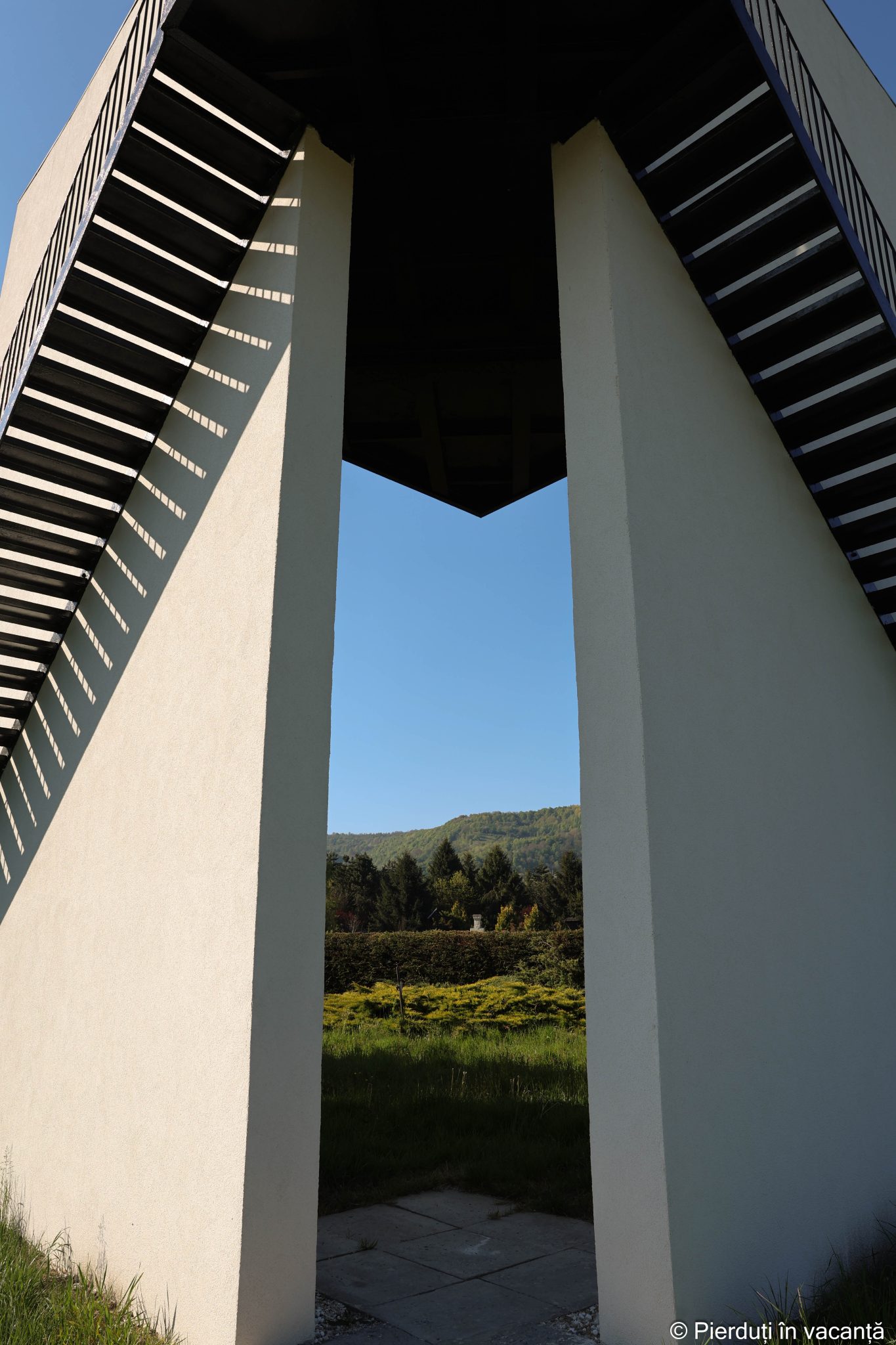
Se află la marginea orașului Sighetu Marmației și este strâns legat de Memorialul Victimelor Comunismului și al Rezistenței. În perioada comunistă, aici erau îngropați în secret deținuții politici care mureau în închisoarea din Sighet. Familiile nu erau anunțate, nu existau ceremonii, iar locurile de îngropare nu erau marcate. Practic, oamenii dispăreau fără urmă.
De aici vine și numele – „al săracilor” nu în sens material, ci în sensul de oameni lipsiți de drepturi, de identitate publică, de orice formă de recunoaștere. Mulți dintre cei îngropați aici au fost personalități importante ale României interbelice: politicieni, intelectuali, demnitari, dar și oameni obișnuiți considerați „dușmani ai regimului”.
Mult timp, locul a rămas anonim. După 1989, au început cercetările pentru a identifica mormintele, însă procesul este dificil, pentru că nu există registre clare. Astăzi, cimitirul este marcat simbolic, cu cruci simple și un monument comemorativ care încearcă să redea demnitatea celor pierduți.
Palatul Culturii ASTRA
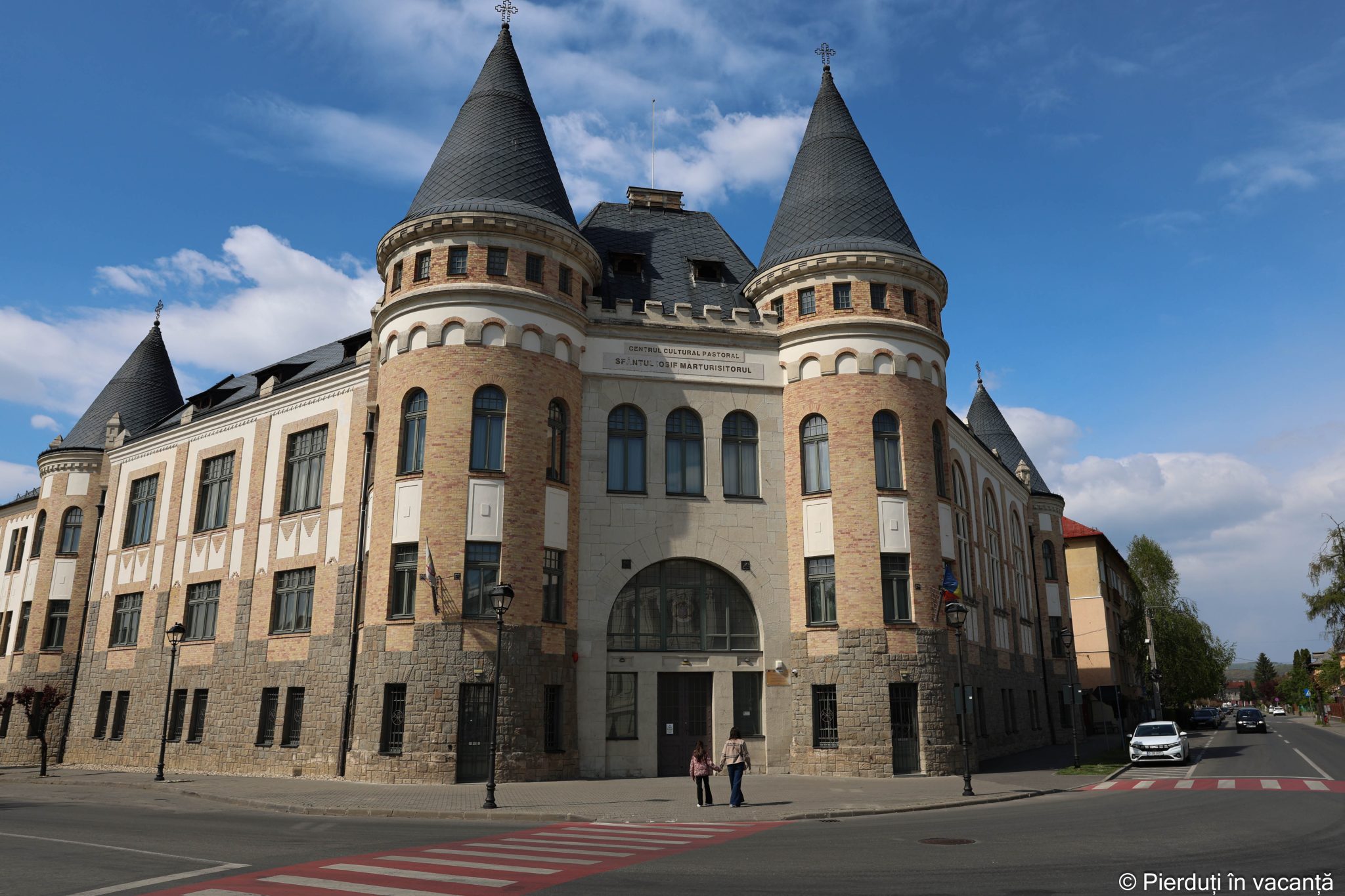
A fost construit la începutul secolului XX (în jurul anilor 1912-1913), într-o perioadă în care Sighetu Marmației era un centru important cultural și economic al Maramureșului.
Clădirea nu a apărut întâmplător – a fost inițiativa unei comunități locale extrem de active cultural. Practic, mai multe asociații (românești, maghiare, evreiești) și-au unit eforturile pentru a crea un spațiu dedicat culturii.
Numele „ASTRA” vine de la Asociațiunea Transilvană pentru Literatura Română și Cultura Poporului Român, o organizație esențială în dezvoltarea identității culturale românești în Transilvania.
Ce mi se pare foarte interesant este cât de „multifuncțional” era încă de la început. Nu era doar o clădire frumoasă, ci un adevărat hub cultural:
- la parter era restaurant
- la etaj funcționa un cazinou (în sensul de spațiu social, nu neapărat jocuri de noroc)
- iar mai sus era muzeu și spații expoziționale
Pe lângă asta, aici existau bibliotecă, săli de întâlnire și chiar camere pentru oaspeți. Practic, era locul unde se întâlnea „lumea bună” a orașului ca să discute idei, cultură și, foarte important pentru perioada aceea, identitate națională.
Arhitectural, clădirea este realizată într-un stil apropiat de Art Nouveau, cu detalii decorative elegante – genul de estetică pe care o vezi în multe orașe din fostul Imperiu Austro-Ungar.
Dar, ca multe clădiri din zonă, și Palatul ASTRA are o istorie destul de zbuciumată. A trecut prin mai multe etape și administrații. Astăzi, clădirea încă își păstrează rolul cultural. Găzduiește instituții precum biblioteca municipală, Casa de Cultură și Școala Populară de Artă – ceea ce mi se pare foarte fain, pentru că scopul inițial nu s-a pierdut.
Muzeul Satului Maramureșean
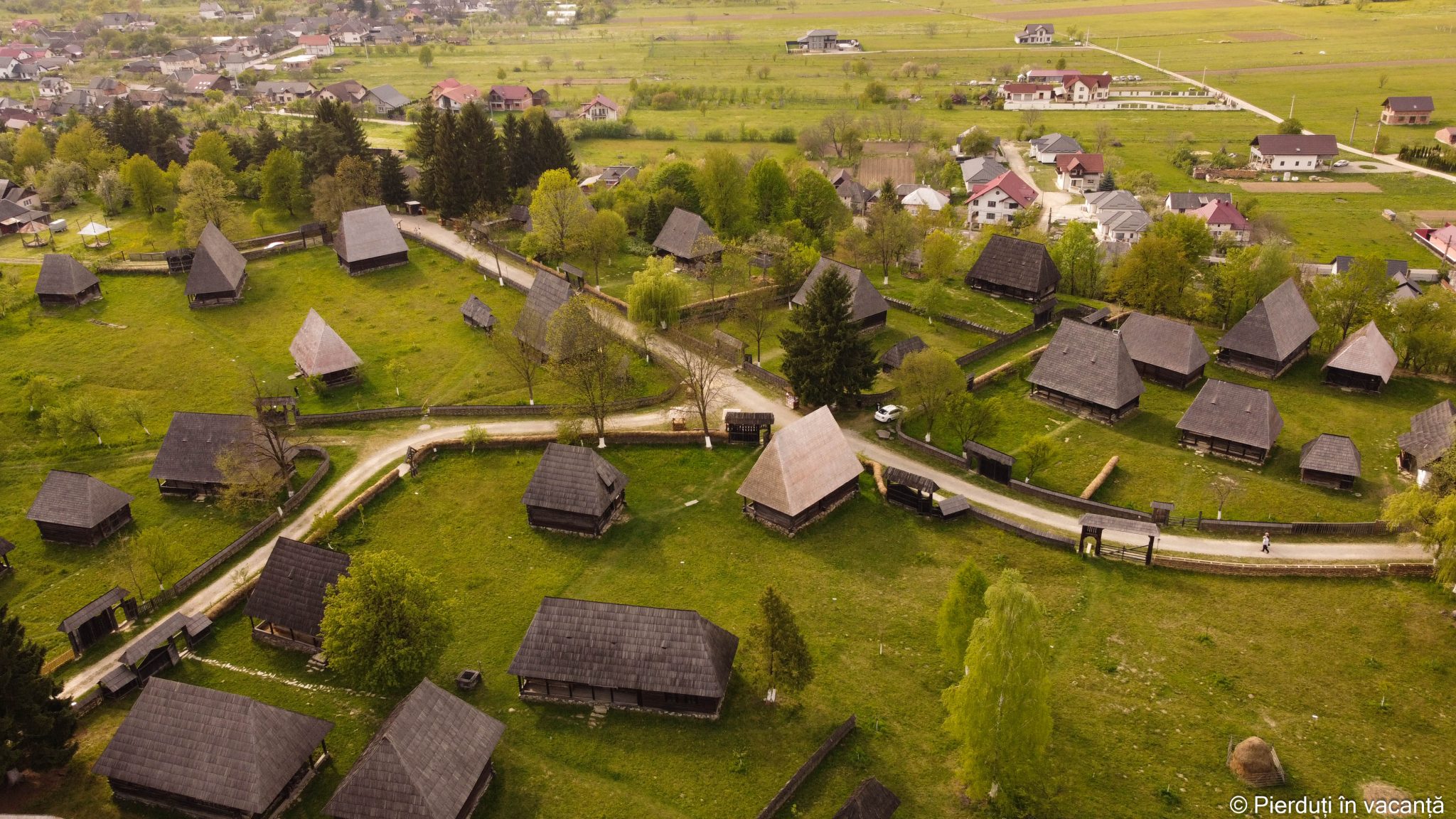
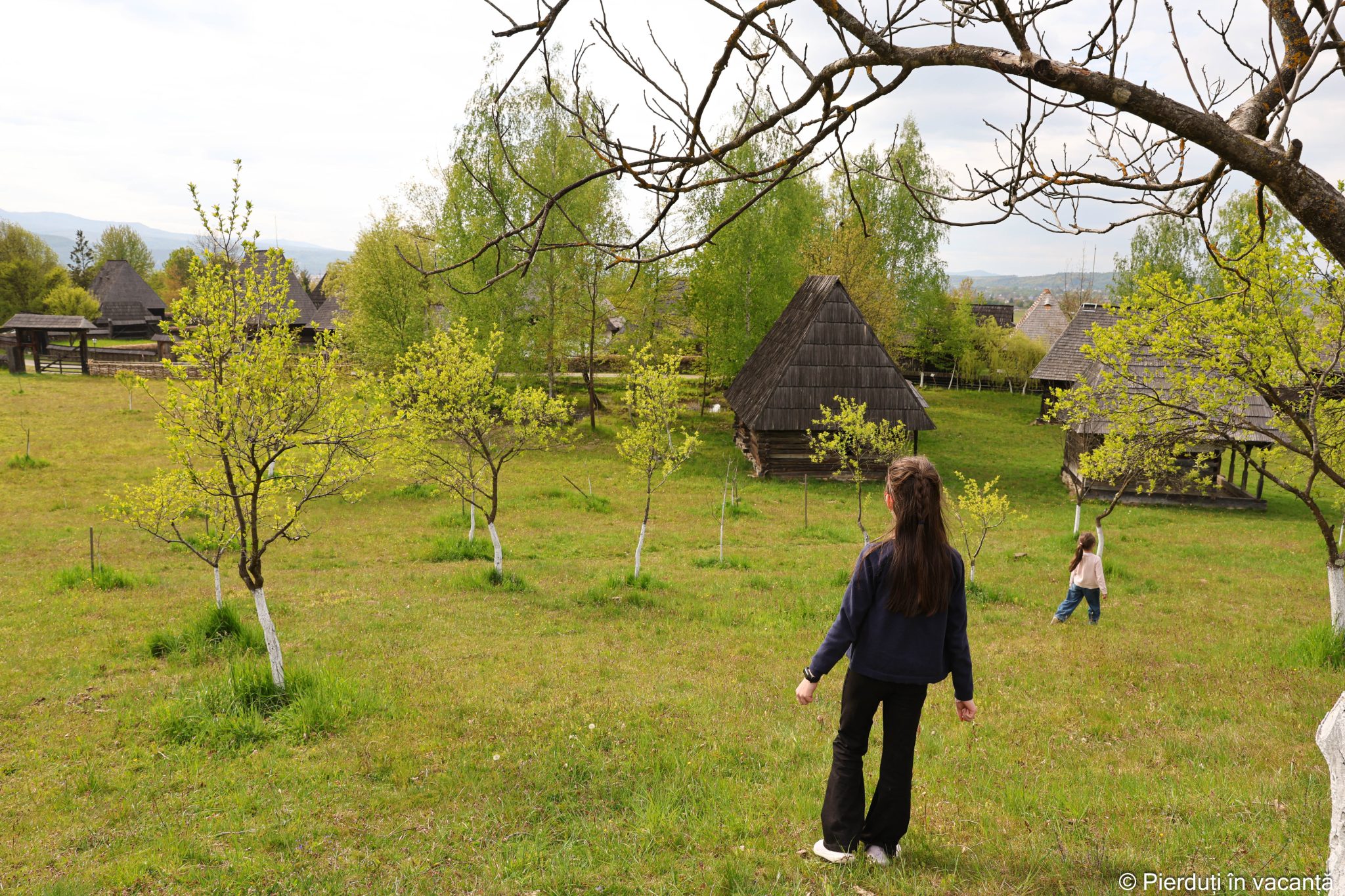
Muzeul se află pe Dealul Doboieș, la aproximativ 3 km de centrul orașului, într-o zonă liniștită, cu vedere spre împrejurimi. A fost inaugurat în 1981 și face parte din complexul Muzeului Maramureșului.
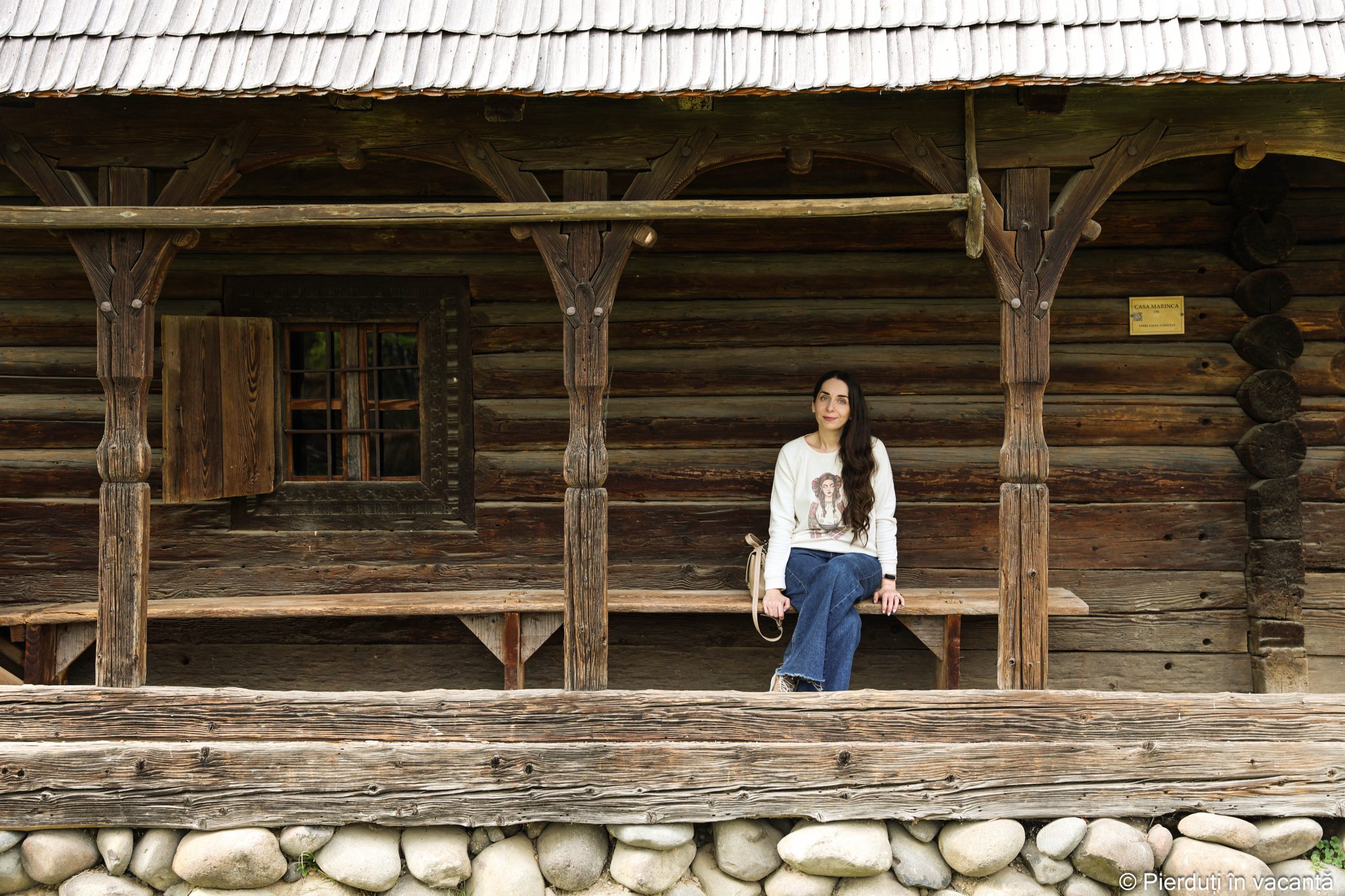
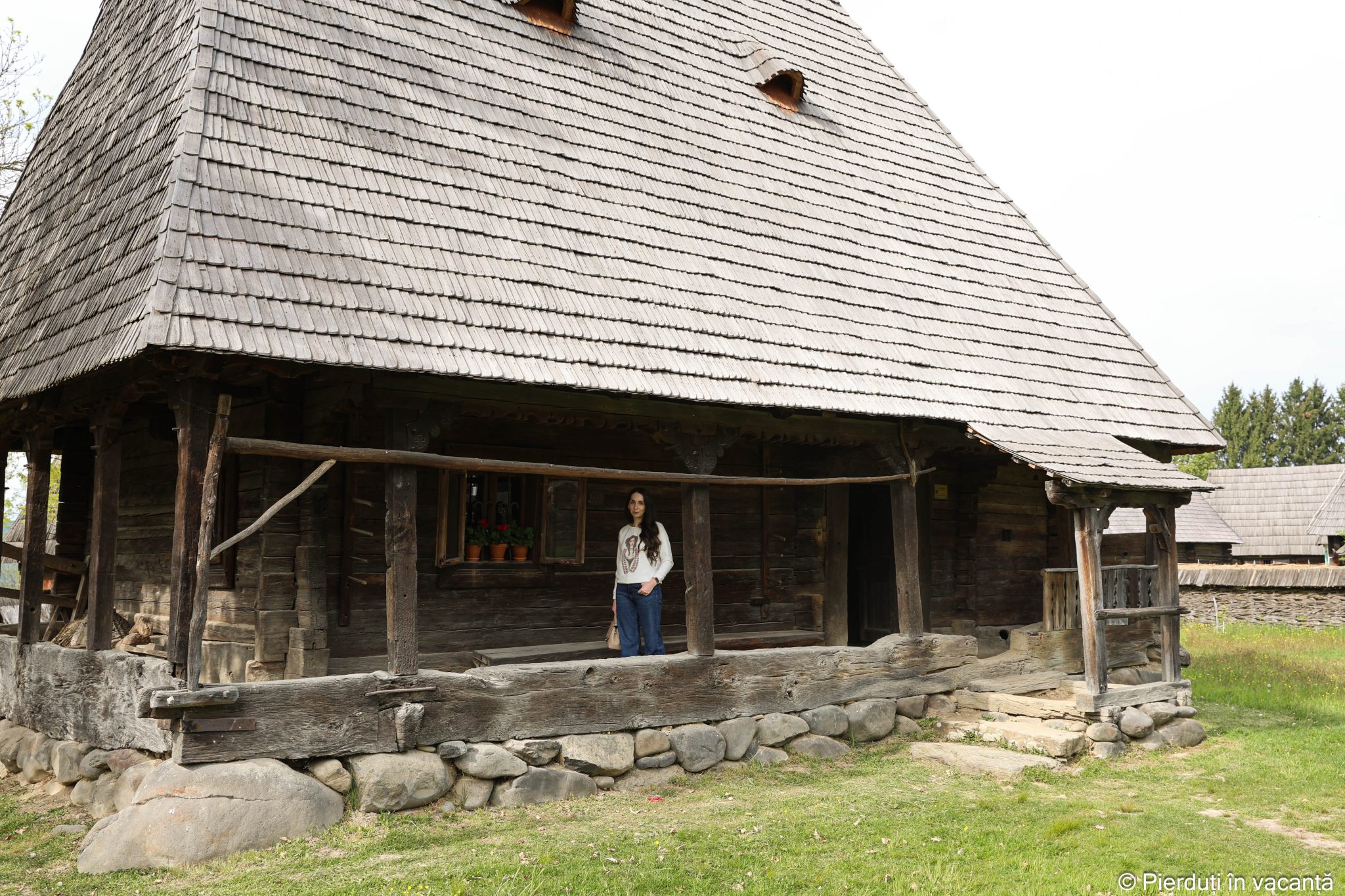
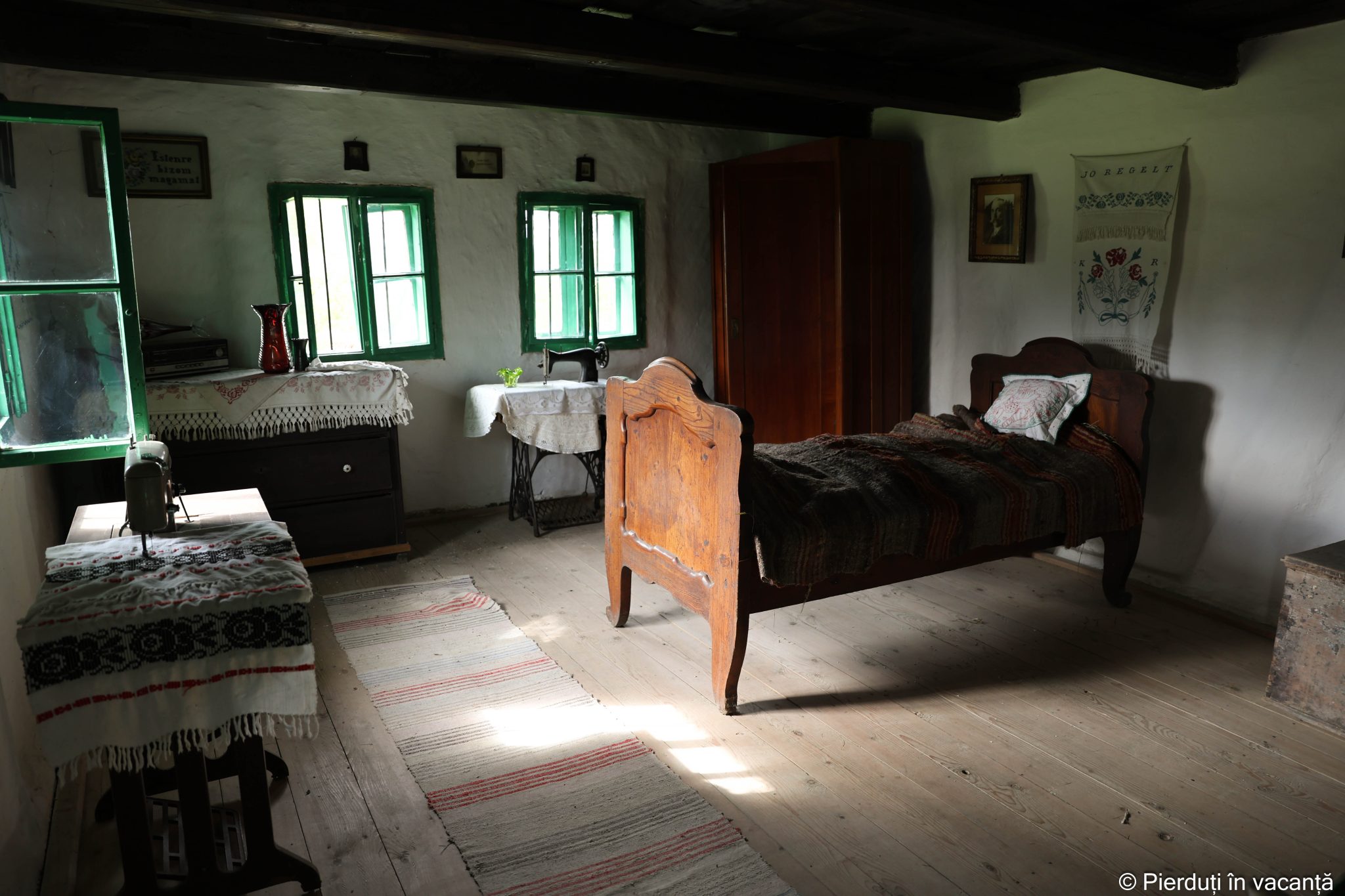
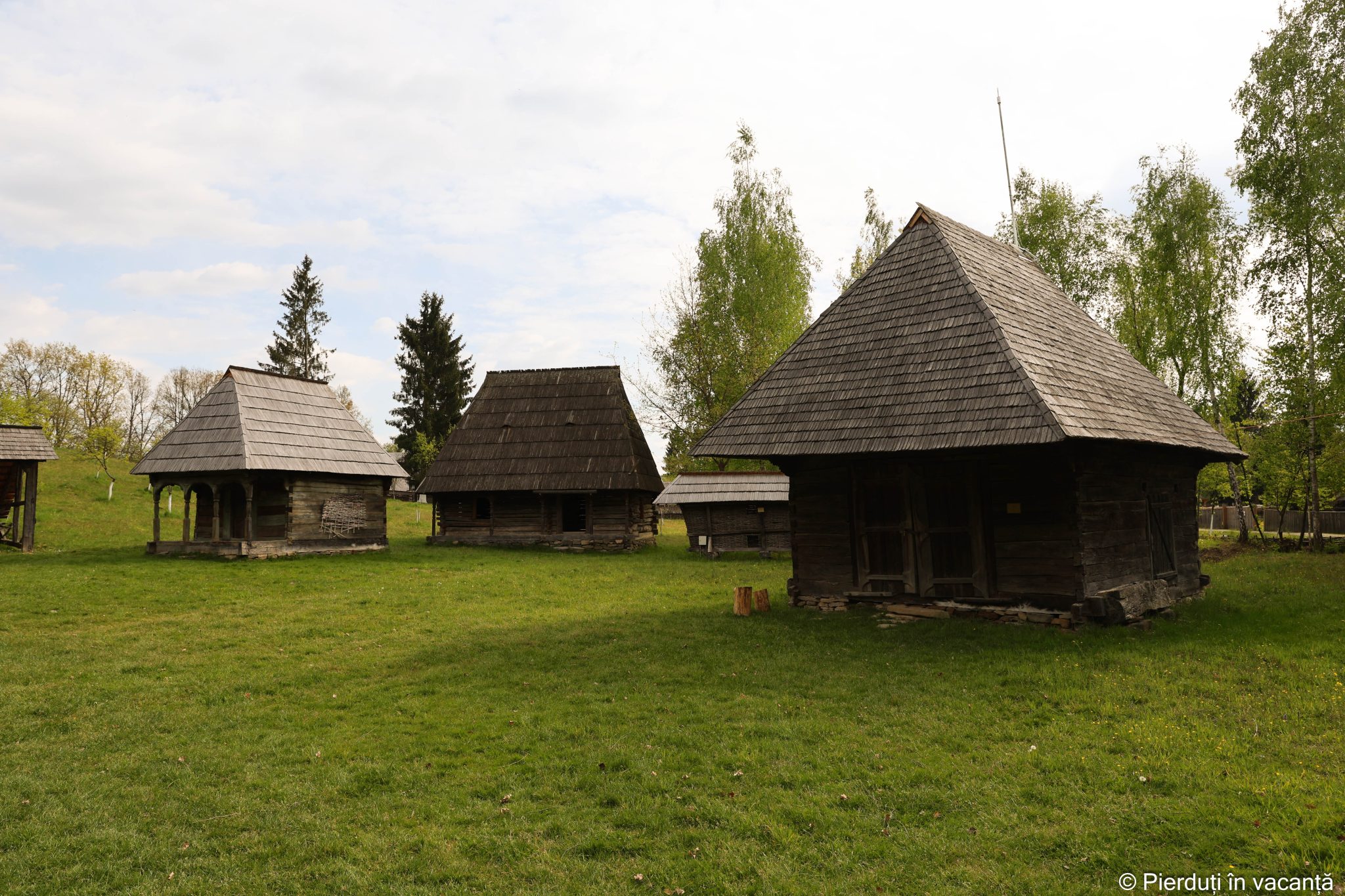
Ideea lui a fost simplă, dar ambițioasă: salvarea caselor tradiționale din satele Maramureșului și reconstruirea lor într-un sat-muzeu. În loc să rămână abandonate sau să dispară, gospodăriile au fost demontate bucată cu bucată și reconstruite aici, păstrând cât mai mult din autenticitate.
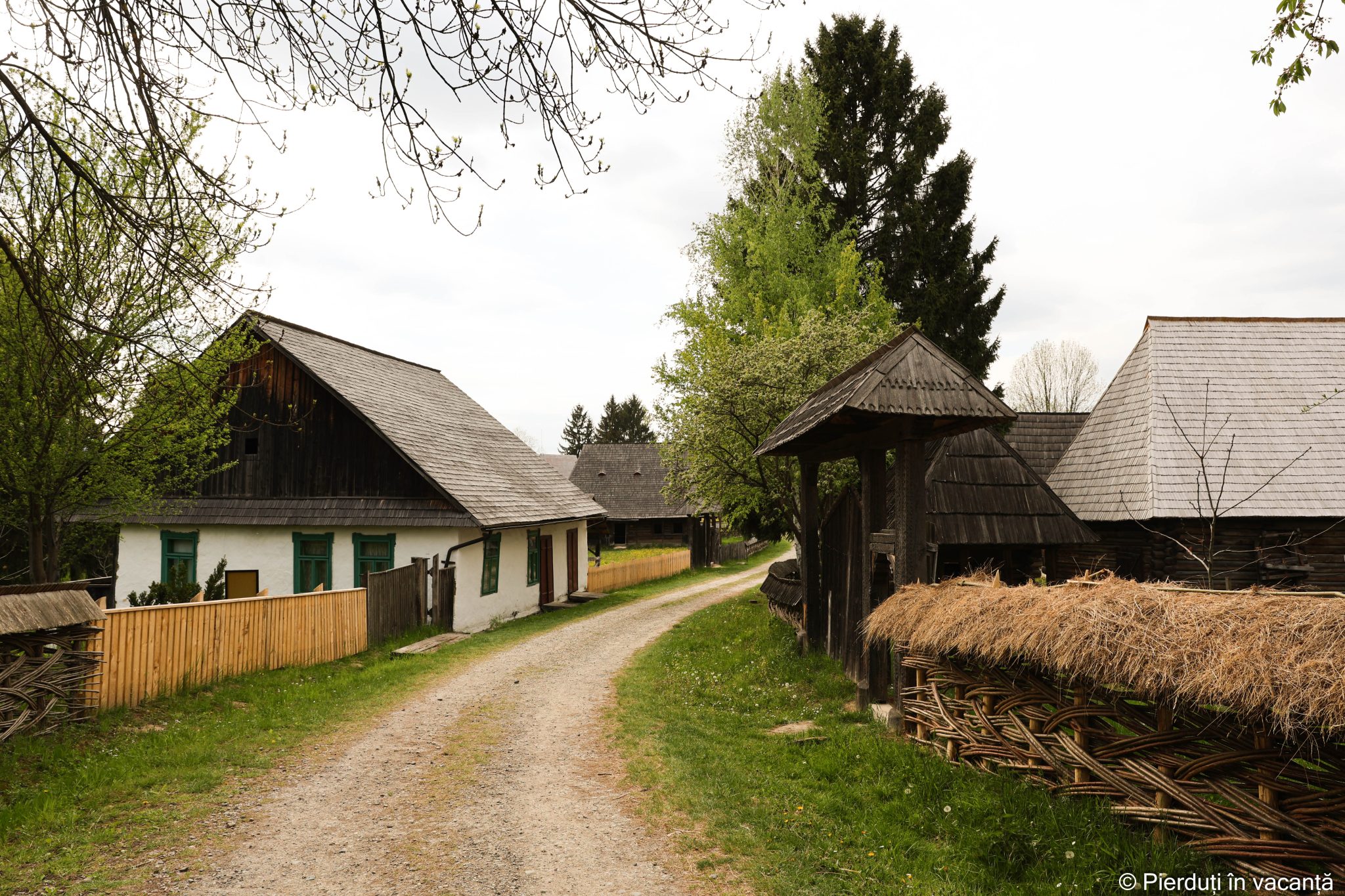
Ulițele sunt înguste, unele drepte, altele întortocheate, exact ca în satele maramureșene tradiționale. Toate duc, simbolic, către biserică – centrul spiritual al comunității.
Întregul complex se întinde pe aproximativ 14 hectare și include peste 40 de gospodării și mai mult de 120 de construcții și instalații tradiționale.
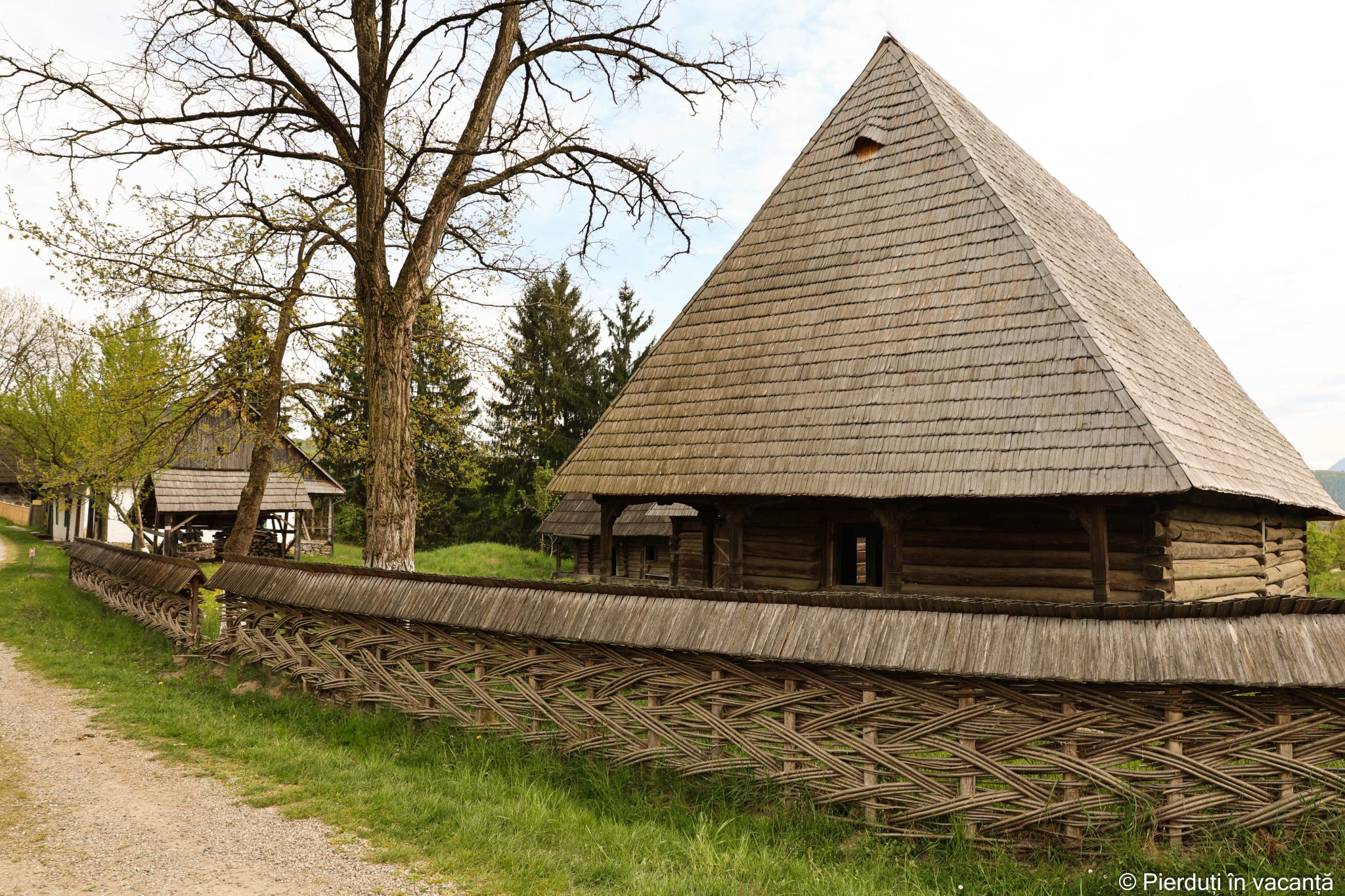
Majoritatea caselor din muzeu sunt construite din lemn masiv (în special stejar și brad), exact cum se construia în Maramureș între secolele XVI–XIX.
Ce este impresionant e că multe dintre ele nu sunt doar „reconstituiri”, ci structuri originale relocate. Unele case au inscripții vechi sau elemente decorative care spun povești despre familiile care au locuit acolo.
În mijlocul muzeului se află o biserică de lemn foarte veche, considerată una dintre cele mai valoroase piese ale complexului. A fost adusă din zona Oncești și are elemente datate încă din secolul al XVI-lea.
Nu uita să mă urmărești și pe Facebook și Instagram, unde postez destul de des.
EN: Sighetu Marmației – what to visit in 2 days
If you end up in Maramures, don’t miss the town of Sighetu Marmației. It may not be the kind of destination that appears on your weekend „must-see” lists, but I guarantee you that it’s worth stopping here.
The Nail – where the map is hung on a nail
Right next to the city hall, there is a nail about 2 meters high. What’s its story? Initially, the „nail” was just a joke related to the expression „here the map is hung on a nail”, due to the northern position of the city. But at some point, the joke was taken… literally.
So the former city administration installed a nail-shaped monument in the center of Sighet. At its base is written: „If they keep saying that here the map is hung on a nail… this is the nail.”
The Memorial to the Victims of Communism and the Resistance
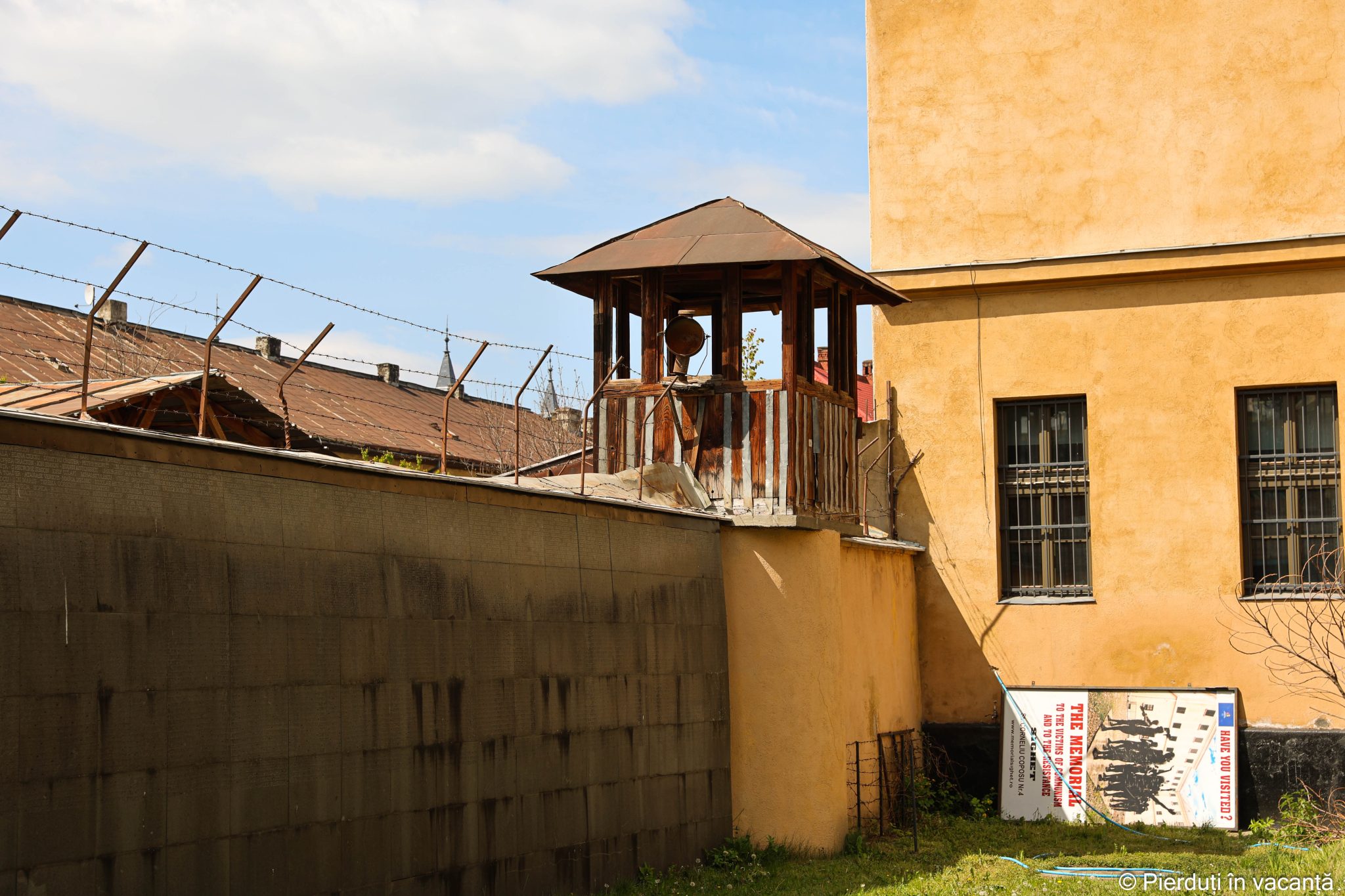
A few steps from the famous nail, there is the Memorial to the Victims of Communism and the Resistance.
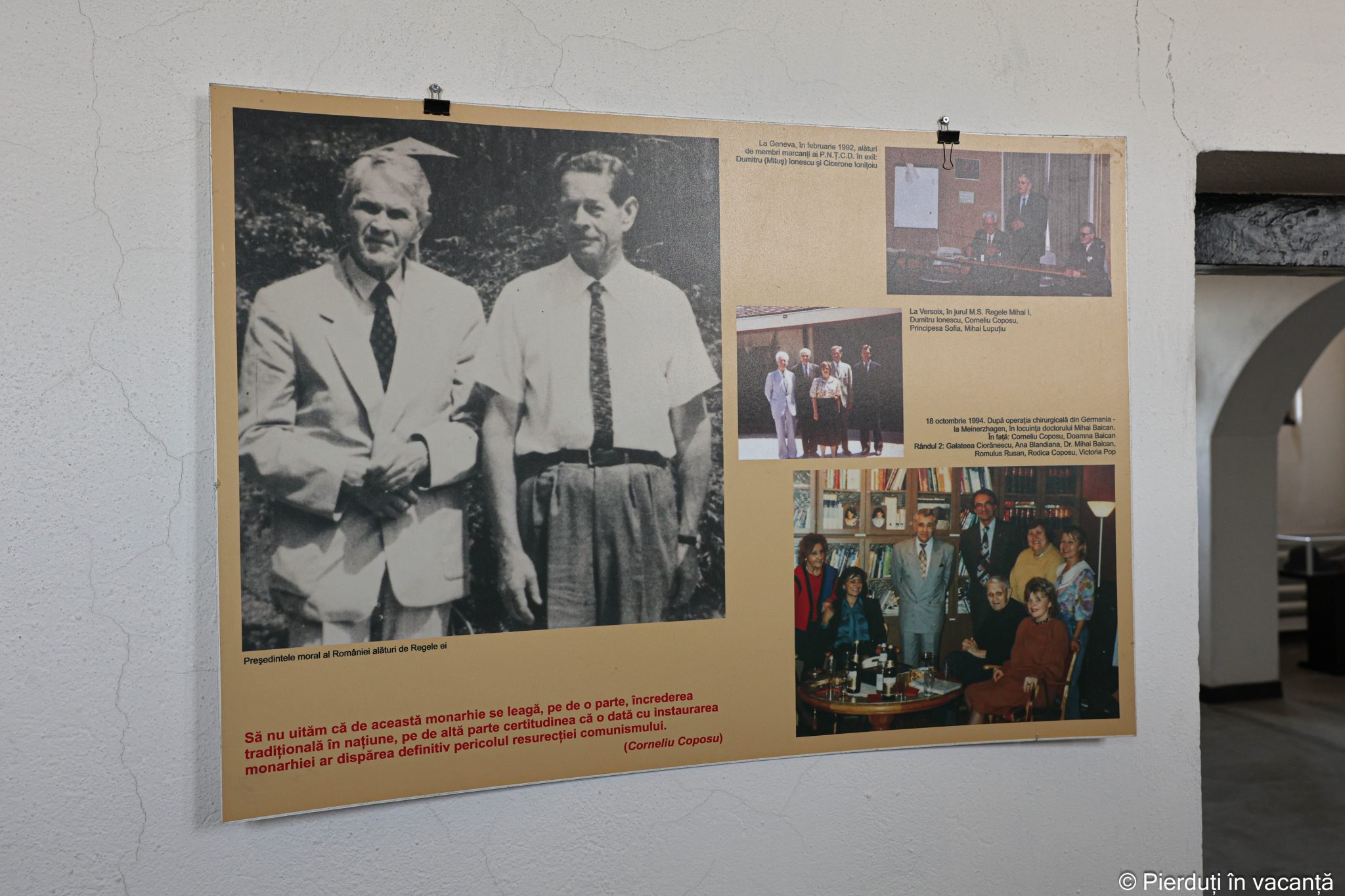
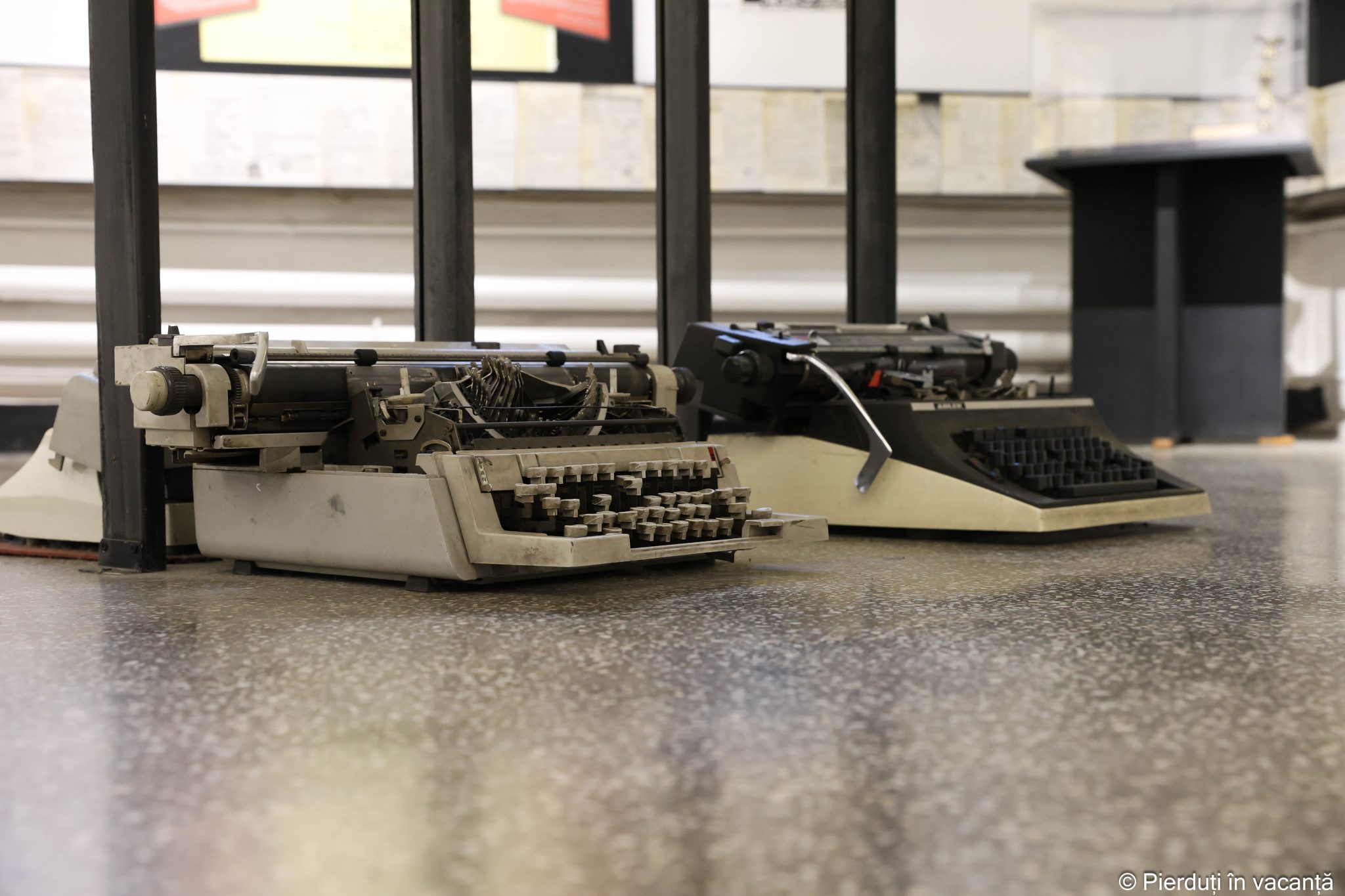
I knew, in theory, what to expect. In practice, however, nothing really prepares you for the atmosphere there. The former prison building is imposing in a sober way, and once you step inside, it’s like you’re entering another world. The long corridors, the cold cells, the walls that seem to retain the echo of footsteps and voices from long ago – all contribute to a profound experience.
I walked through each room with a lump in my throat. Each room tells a story. About real people, about broken destinies, about a time that should not be forgotten.
The Poor’s Cemetery
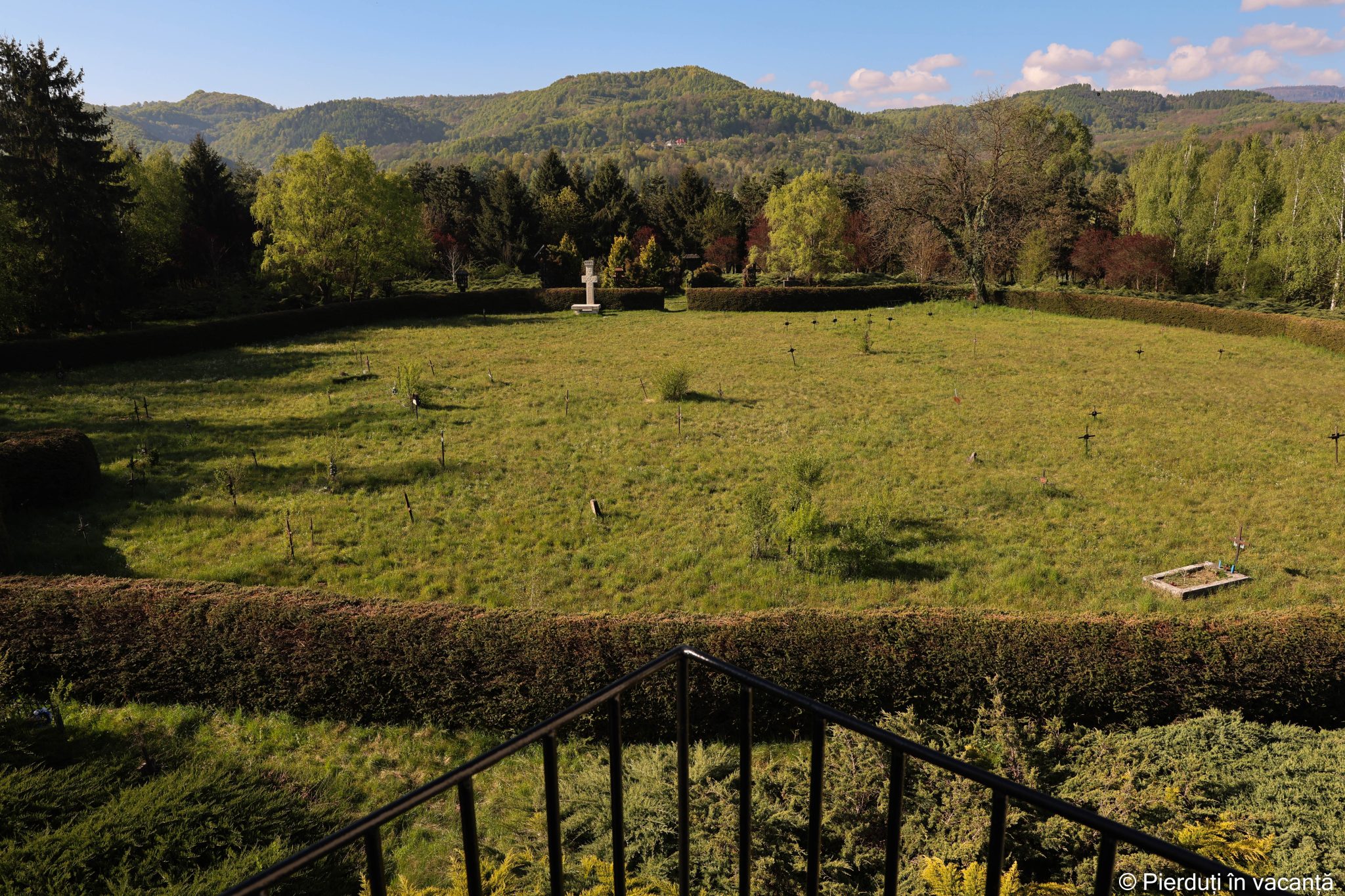
It is located on the outskirts of the town of Sighetu Marmației and is closely linked to the Memorial to the Victims of Communism and the Resistance. During the communist era, political prisoners who died in the Sighet prison were secretly buried here. Families were not notified, there were no ceremonies, and the burial sites were not marked. Practically, people disappeared without a trace.
Hence the name – „of the poor” not in a material sense, but in the sense of people deprived of rights, of public identity, of any form of recognition. Many of those buried here were important personalities of interwar Romania: politicians, intellectuals, dignitaries, but also ordinary people considered „enemies of the regime”.
For a long time, the place remained anonymous. After 1989, research began to identify the graves, but the process is difficult, because there are no clear registers. Today, the cemetery is marked symbolically, with simple crosses and a commemorative monument that tries to restore the dignity of the lost.
ASTRA Palace of Culture
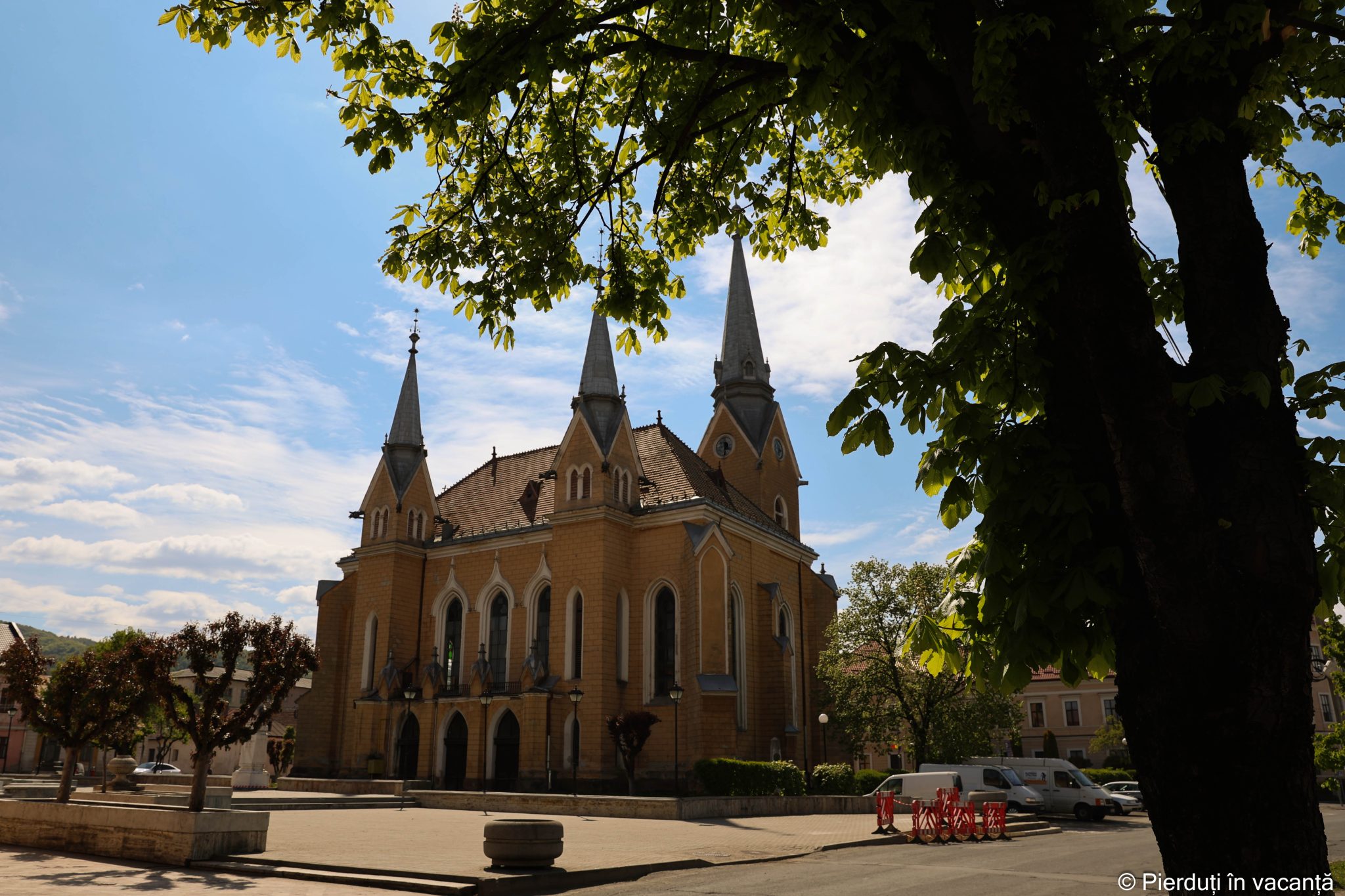
It was built at the beginning of the 20th century (around 1912-1913), during a period when Sighetu Marmației was an important cultural and economic center of Maramureș. The building did not appear by chance – it was the initiative of an extremely culturally active local community. Basically, several associations (Romanian, Hungarian, Jewish) joined forces to create a space dedicated to culture.
The name „ASTRA” comes from the Transylvanian Association for Romanian Literature and Culture of the Romanian People, an essential organization in the development of Romanian cultural identity in Transylvania.
What I find very interesting is how „multifunctional” it was from the very beginning. It was not just a beautiful building, but a true cultural hub:
on the ground floor there was a restaurant
on the first floor there was a casino (in the sense of a social space, not necessarily gambling) and above there was a museum and exhibition spaces
In addition to that, there was a library, meeting rooms and even guest rooms. Basically, it was the place where the „good people” of the city met to discuss ideas, culture and, very importantly for that period, national identity.
Architecturally, the building is made in a style close to Art Nouveau, with elegant decorative details – the kind of aesthetic you see in many cities of the former Austro-Hungarian Empire.
But, like many buildings in the area, the ASTRA Palace has a rather turbulent history. It has gone through several stages and administrations. Today, the building still retains its cultural role. It houses institutions such as the municipal library, the House of Culture and the Popular School of Art – which I think is very cool, because its original purpose has not been lost.
Maramures Village Museum
The museum is located on Doboieș Hill, approximately 3 km from the city center, in a quiet area, overlooking the surroundings. It was inaugurated in 1981 and is part of the Maramures Museum complex.
Its idea was simple but ambitious: to save the traditional houses in the villages of Maramures and rebuild them into a museum village. Instead of leaving them abandoned or disappearing, the households were dismantled piece by piece and rebuilt here, preserving as much of their authenticity as possible.
The streets are narrow, some straight, others winding, just like in traditional Maramures villages. All of them lead, symbolically, to the church – the spiritual center of the community.
The entire complex covers approximately 14 hectares and includes over 40 households and more than 120 traditional buildings and installations.
Most of the houses in the museum are built of solid wood (especially oak and fir), exactly as they were built in Maramureș between the 16th and 19th centuries.
What is impressive is that many of them are not just “reconstructions”, but original relocated structures. Some houses have old inscriptions or decorative elements that tell stories about the families who lived there.
In the middle of the museum is a very old wooden church, considered one of the most valuable pieces of the complex. It was brought from the Oncești area and has elements dating back to the 16th century.
Don’t forget to follow me on Facebook and Instagram too, where I post quite often.